



The content on this page was automatically generated from the PDF publication document and may contain errors or inaccuracies. Please refer to the original PDF for the most accurate information.
Physical and Morphological Characteristics of Iron Ore and their Routes of Comminution
Stephen Morrell
OBJECTIVE
Answer the questions:
Is there an association between the properties of iron ore deposits and the design of the comminution circuit?
If so, what is it?
CONTENT
- Relevance of comminution
- Common types of equipment
- Properties of iron ore-bodies
- Ore hardness
- Grinding circuit designs
Comminution Relevance
- Increasing world trend to process low grade Fe deposits
- Comminution circuit Capex to produce a 10 mtpa Fe concentrate facility could be as high as US$ 1 billion
-
Comminution circuit operating costs can account for 65% of total costs
- Comminution circuit is a major contributor to project financial viability
Comminution Equipment
- Crushers
- High Pressure Grinding Rolls
-
Tumbling mills
- Autogenous and Semi-autogenous (AG/SAG)
- Ball Mills
-
Stirred mills
- Vertical
- Horizontal
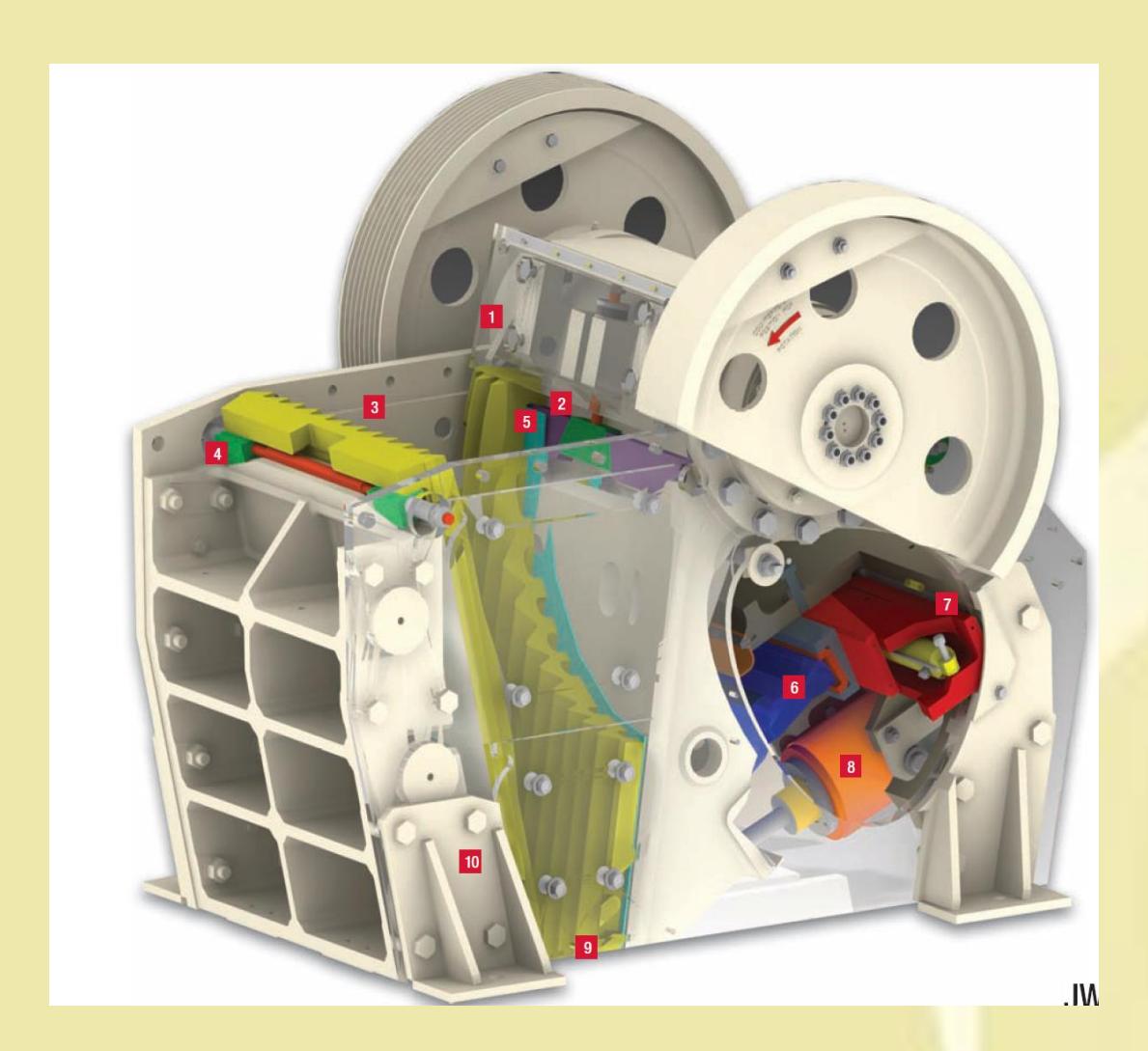
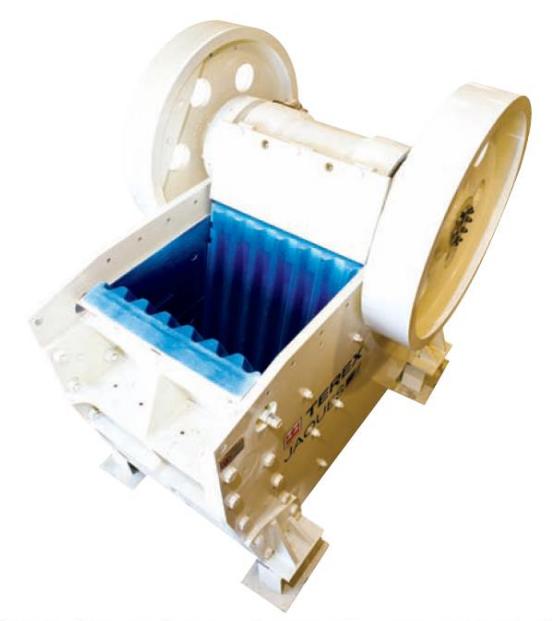
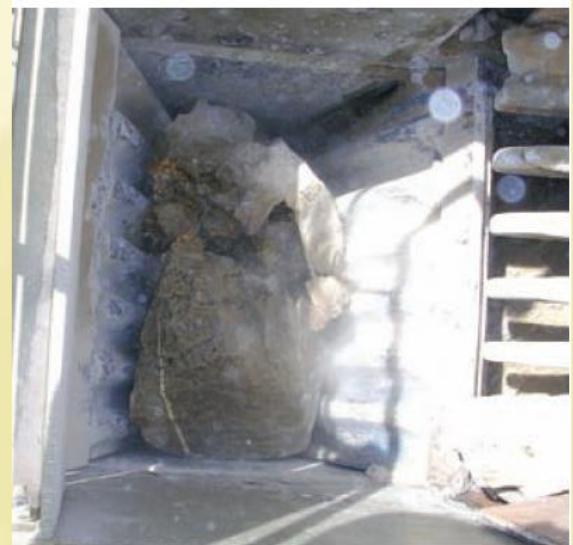
Jaw Crushers
1200-1500 tph
Gyratory Crushers
5000-7000 tph
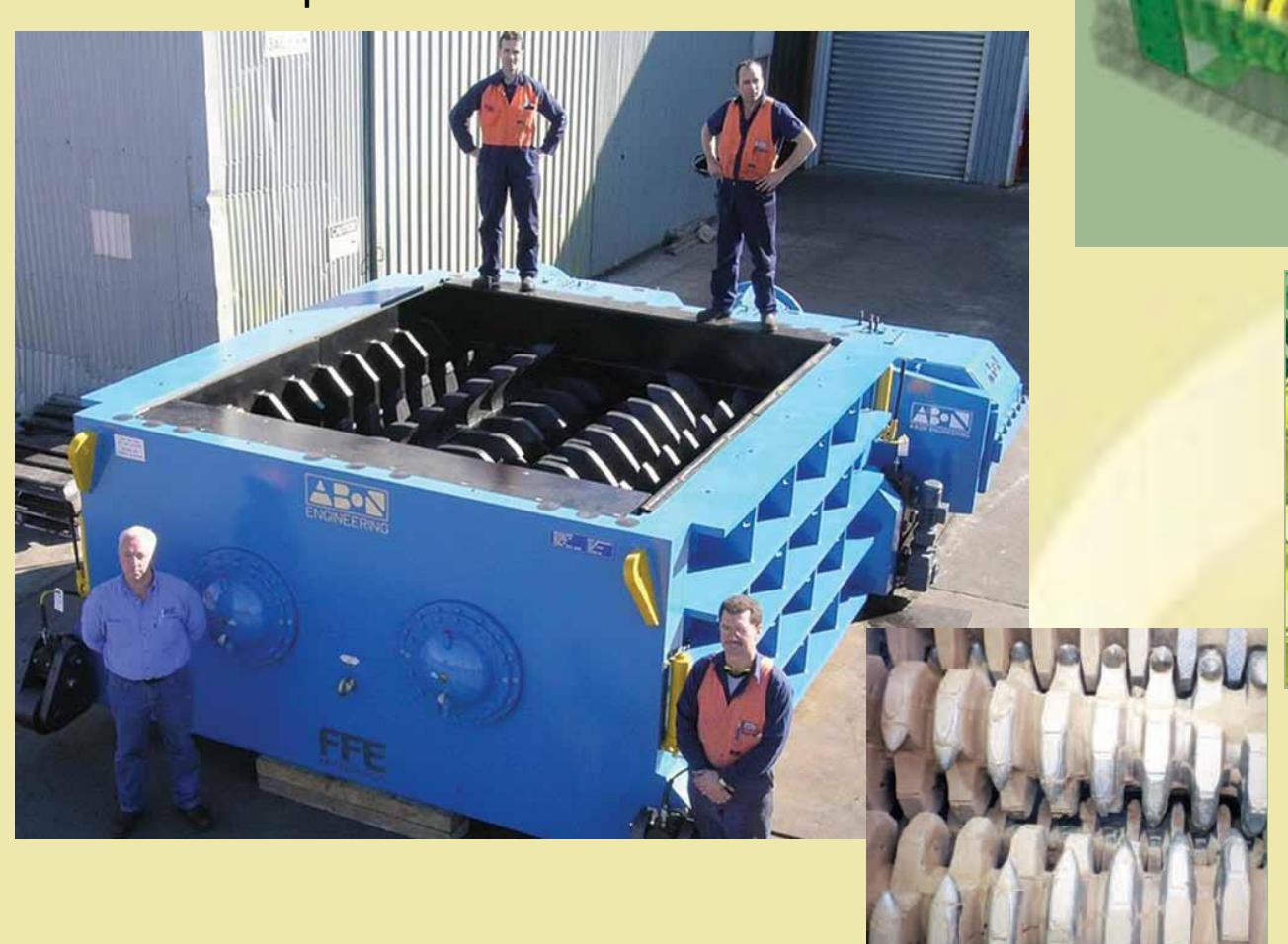
Toothed Roll Crushers
5000-7000 tph
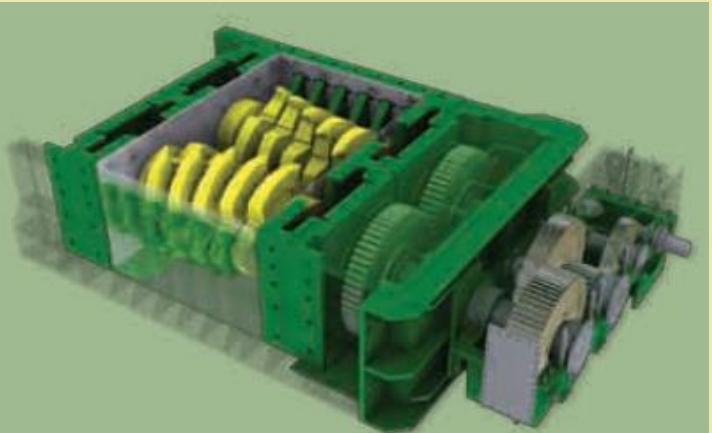
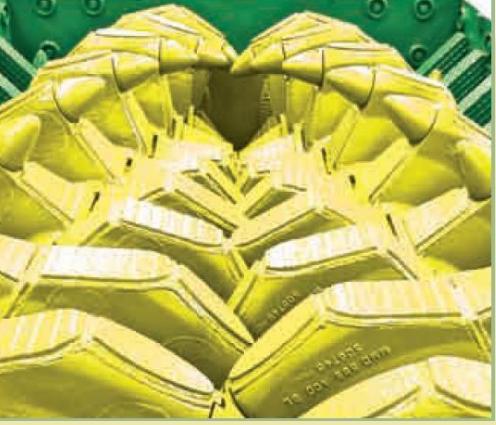
Cone Crushers
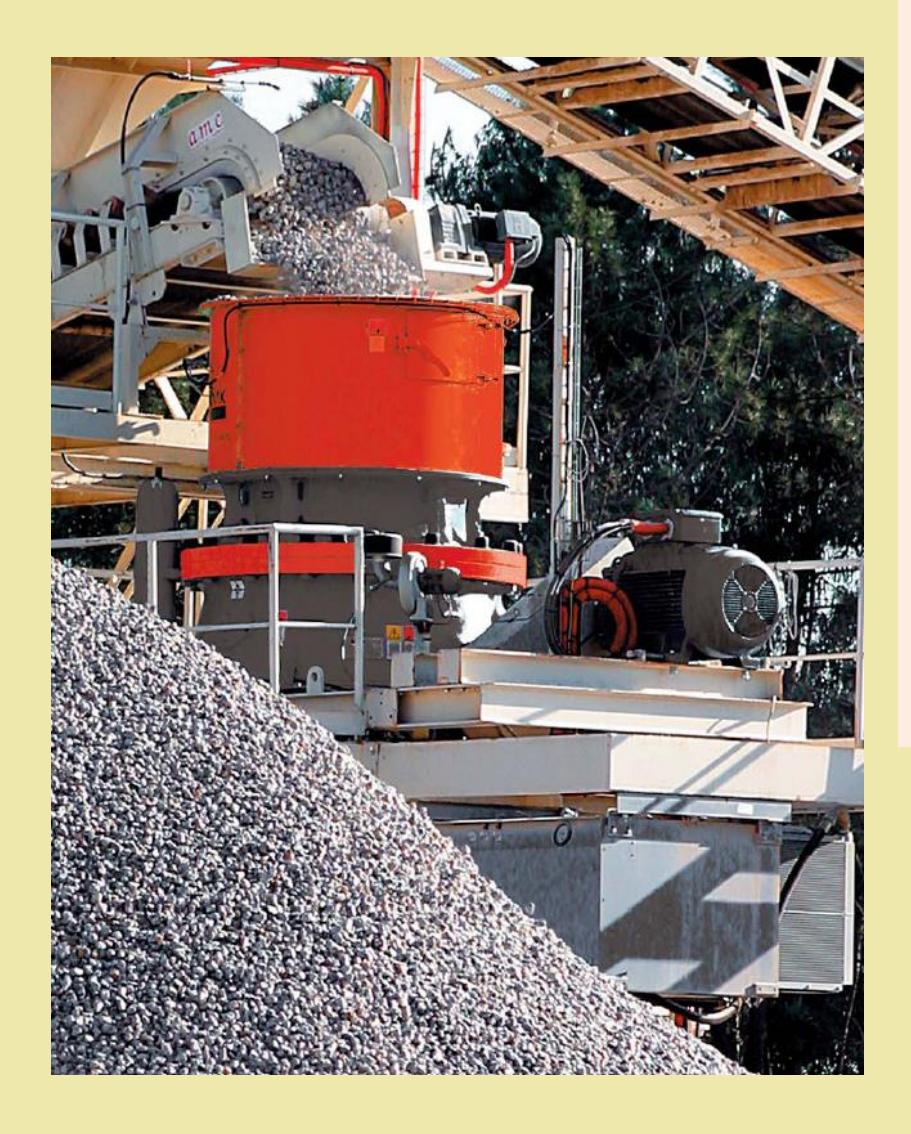
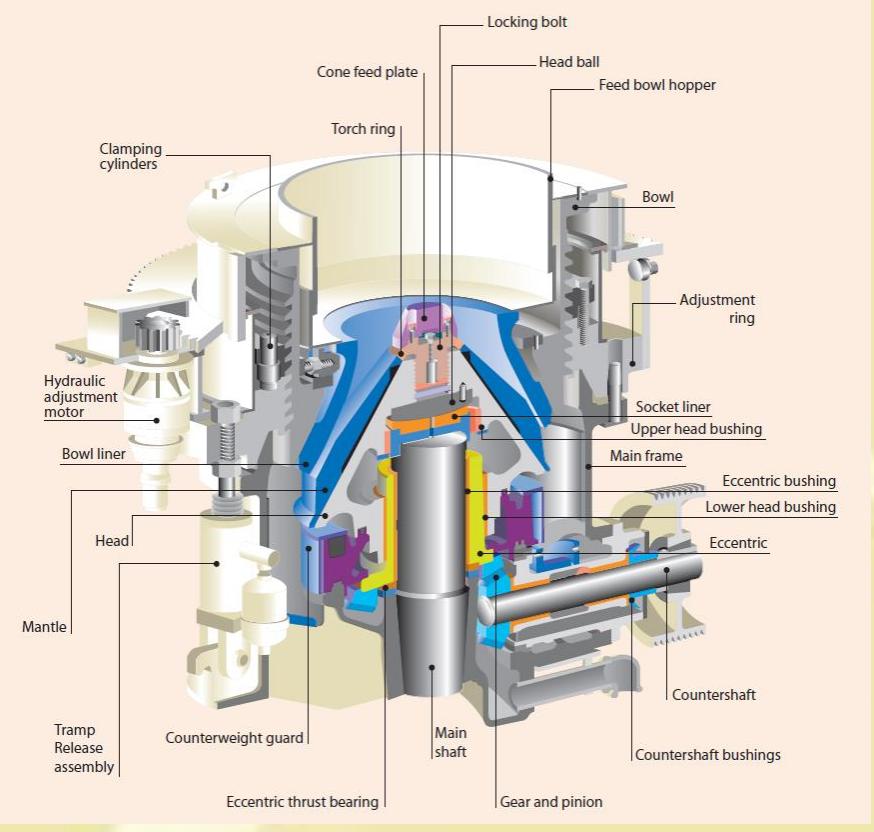
Secondary: 1200-1500 tph
Tertiary: 400-500 tph
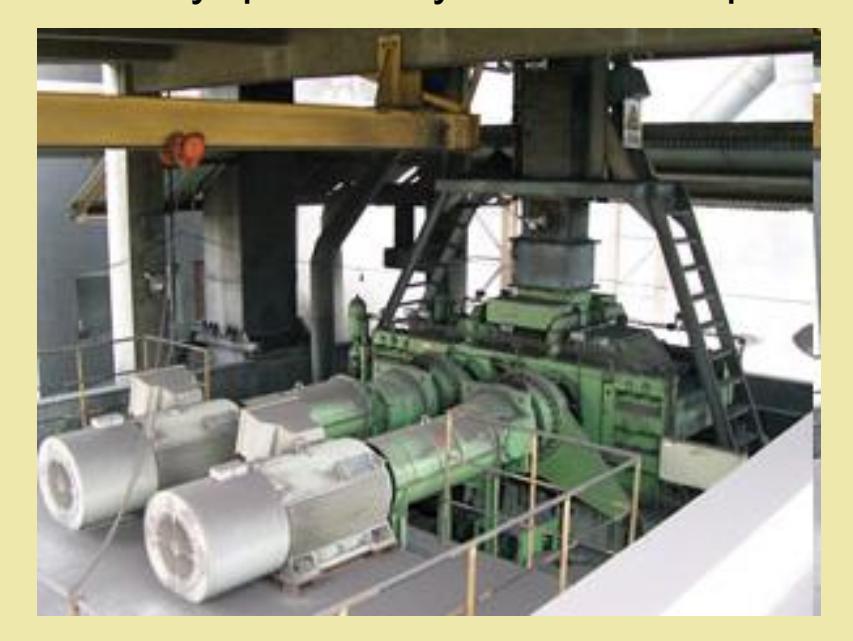
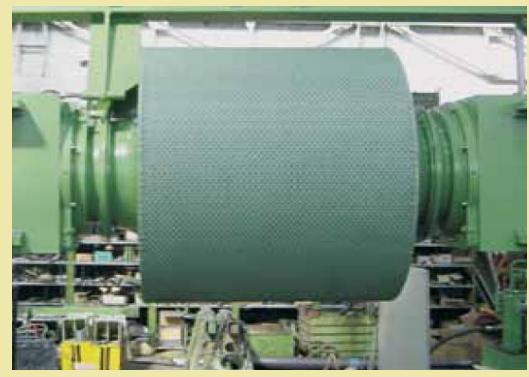
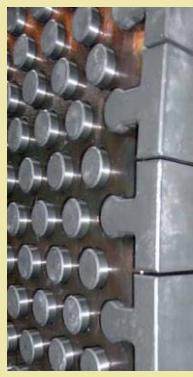
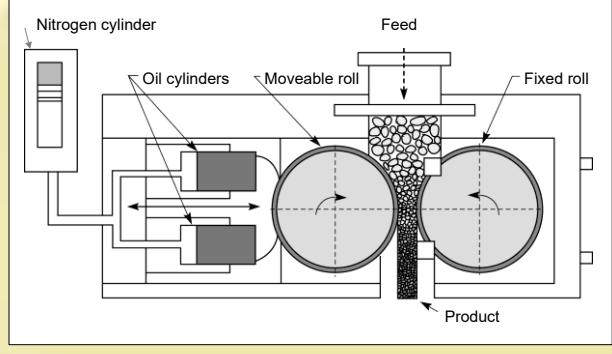
High Pressure Grinding Rolls
Tertiary/quaternary: 2500-3200tph
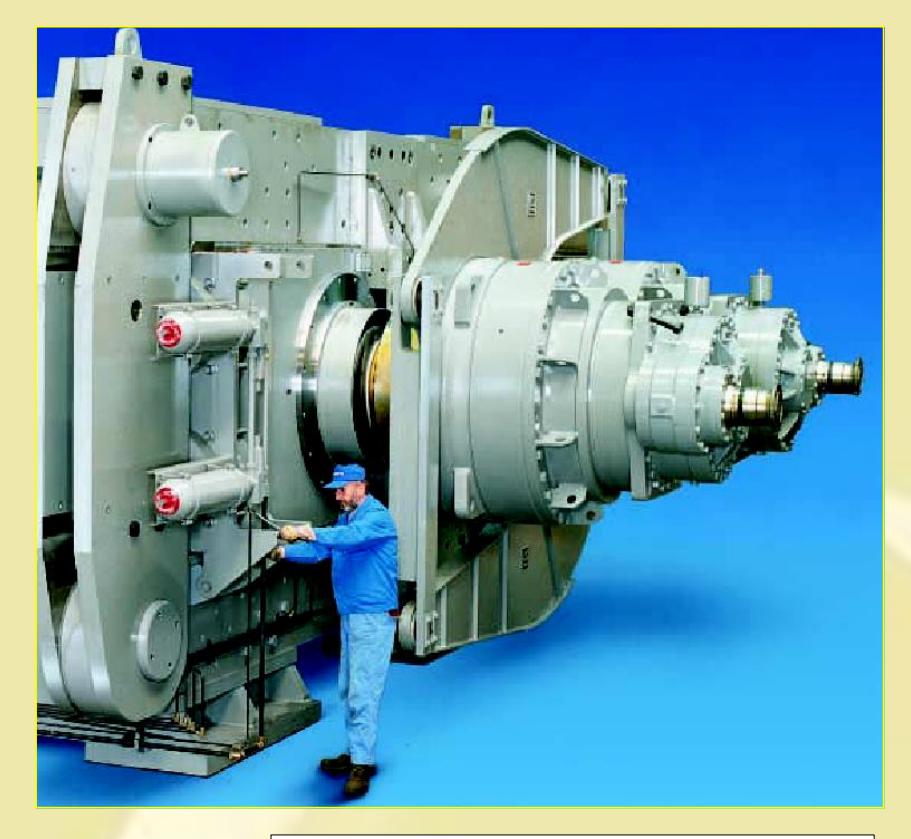
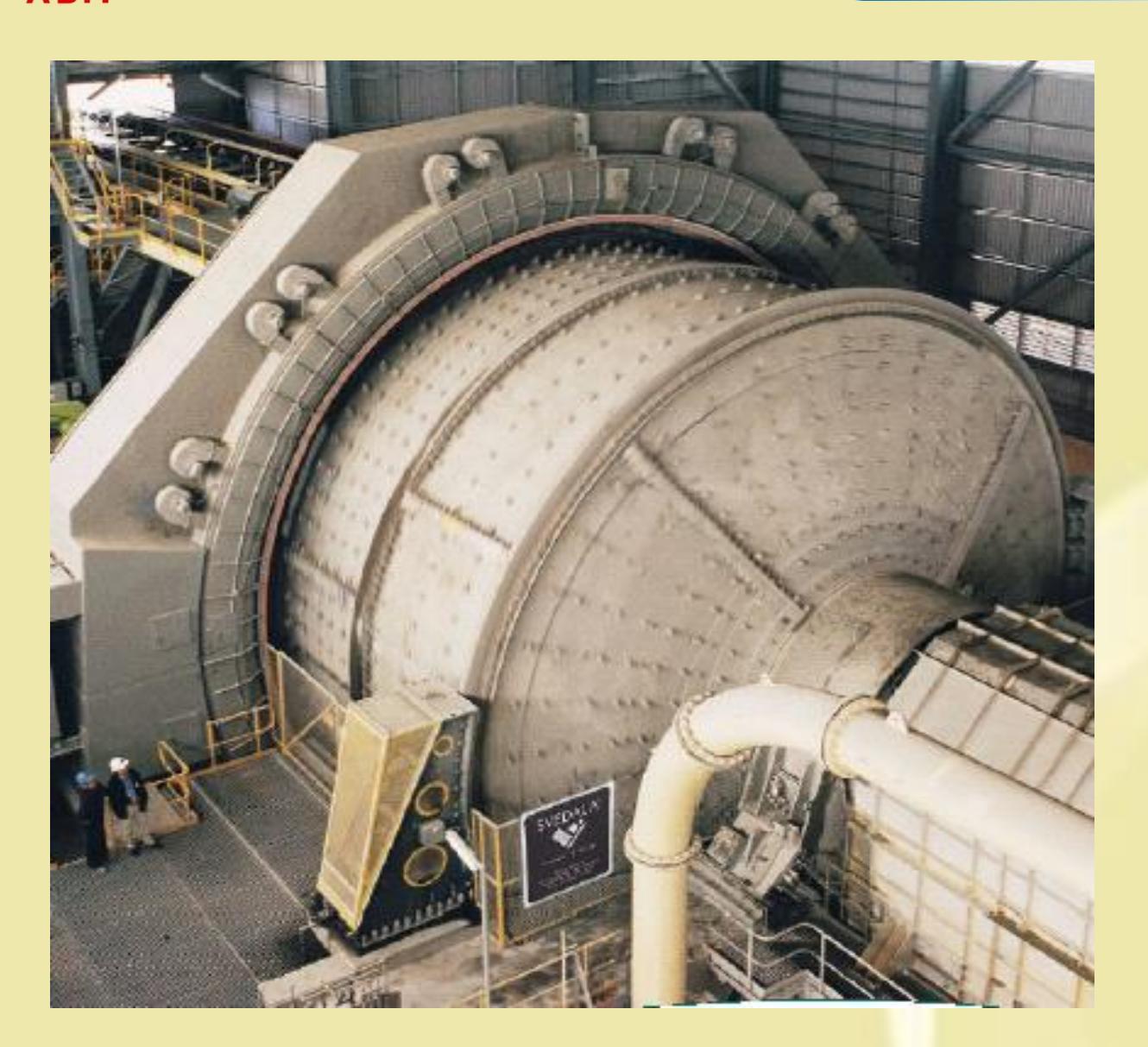
Operating:
Up to 40ft diameter
24 MW motor
Under construction:
40ft x 36ft
28MW motor
Iron ore
On order:
42ft x 22ft
28 MW motor
Ball Mills
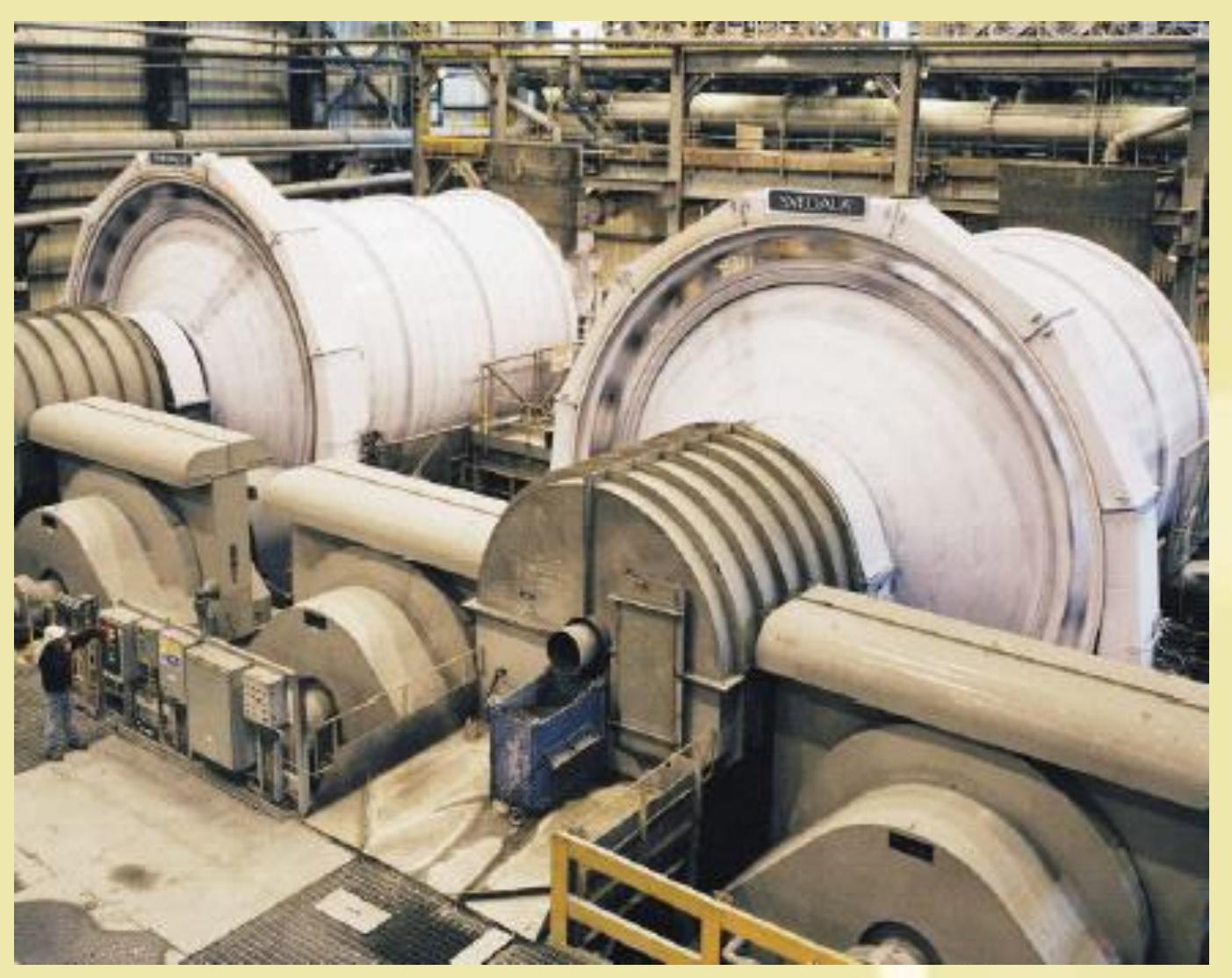
Operating:
Up to 27ft diameter 18 MW motor Under construction:
22 MW motor
28ft diameter
Tower & Vertimills
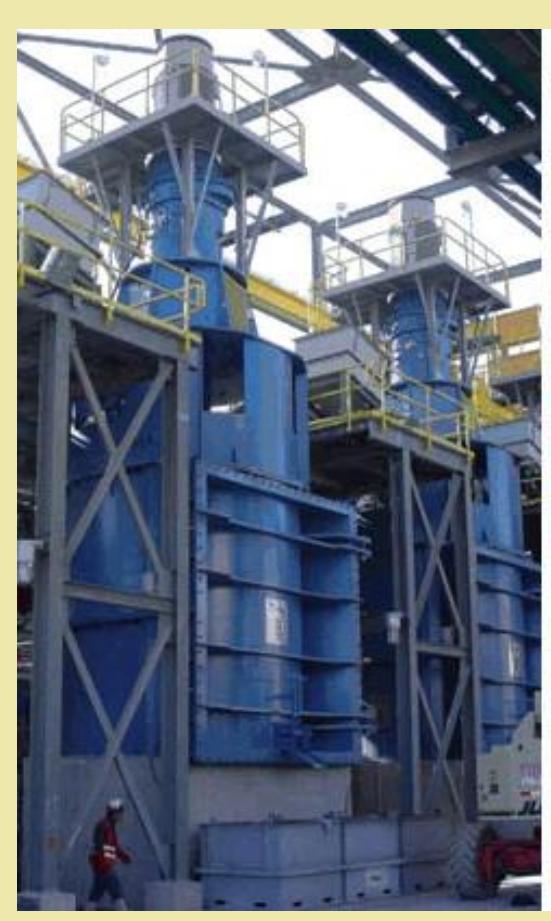
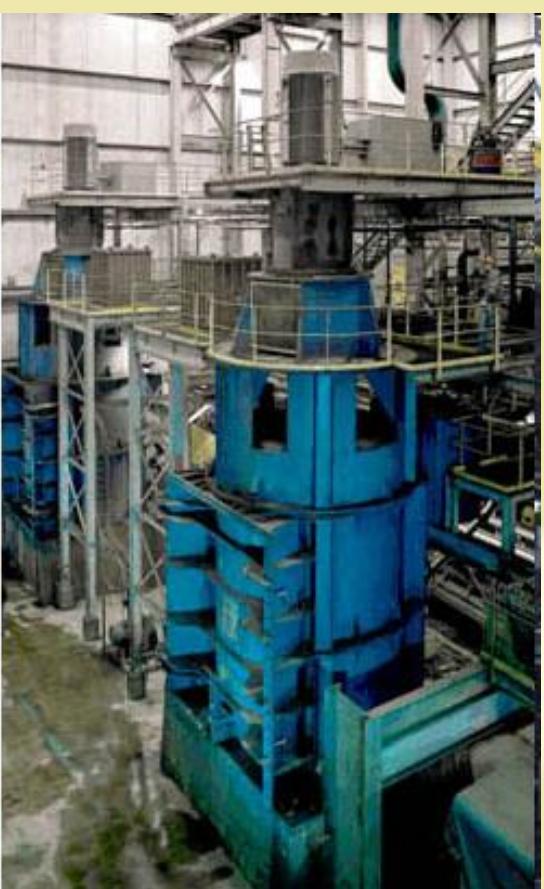
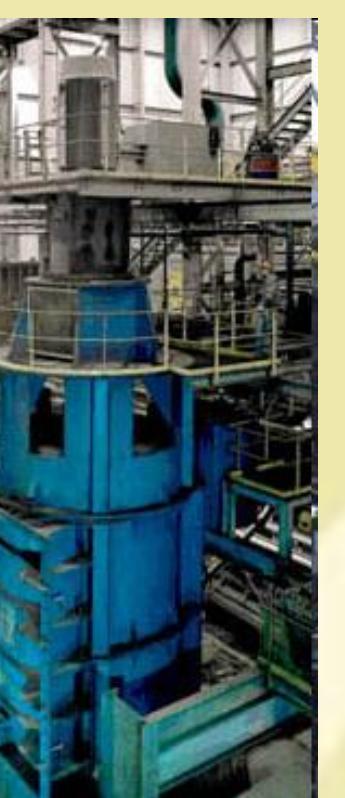
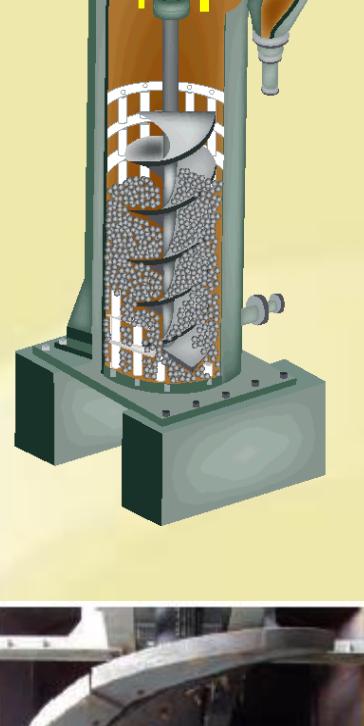
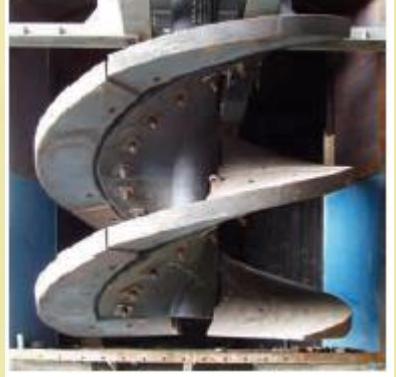
Up to 2.25 MW motor
Down to 20 microns
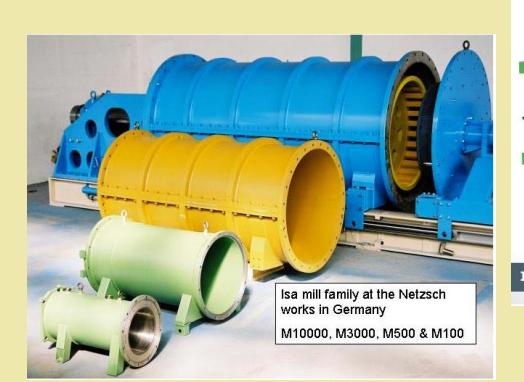
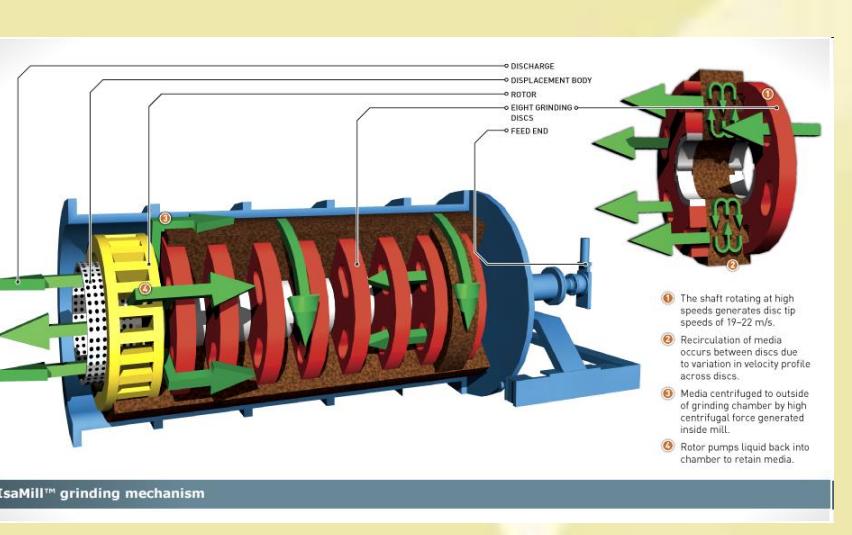
IsaMill
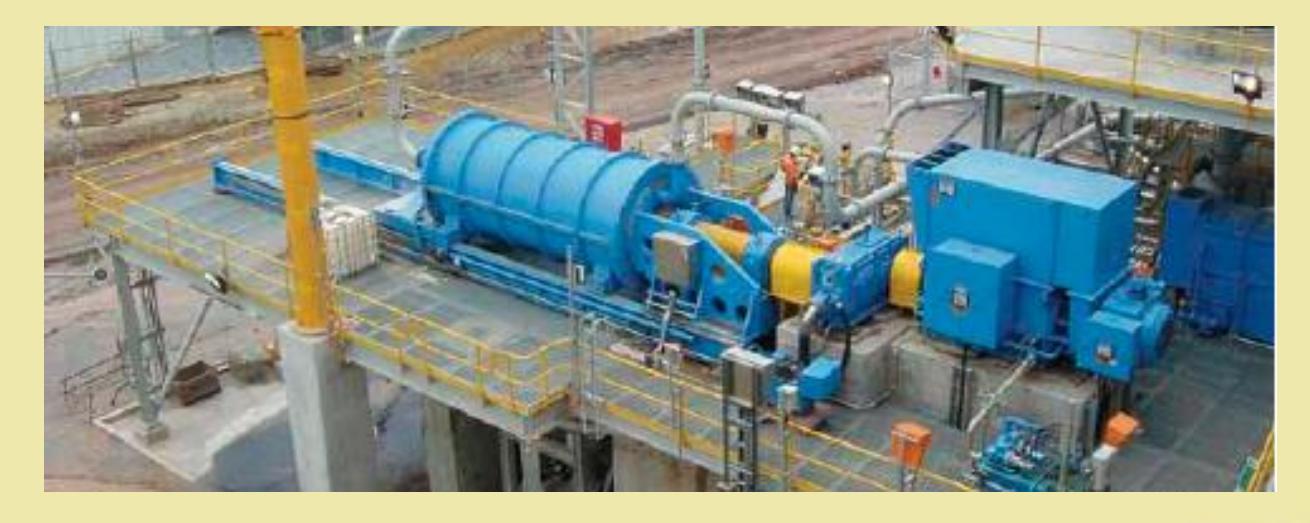
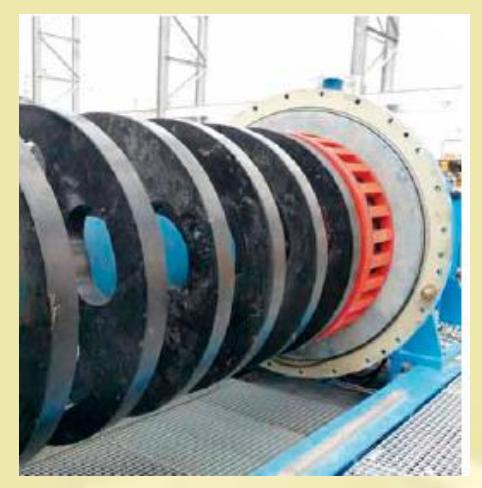
Up to 3MW motor
Down to 10 microns
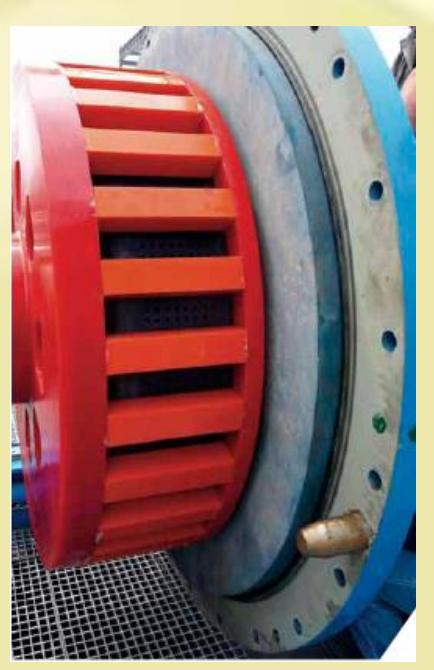
Iron Ore Properties
- What is Morphology?
- "Characteristics, configuration and evolution of rocks"
- "Origin, formation and mineral composition"
Structure
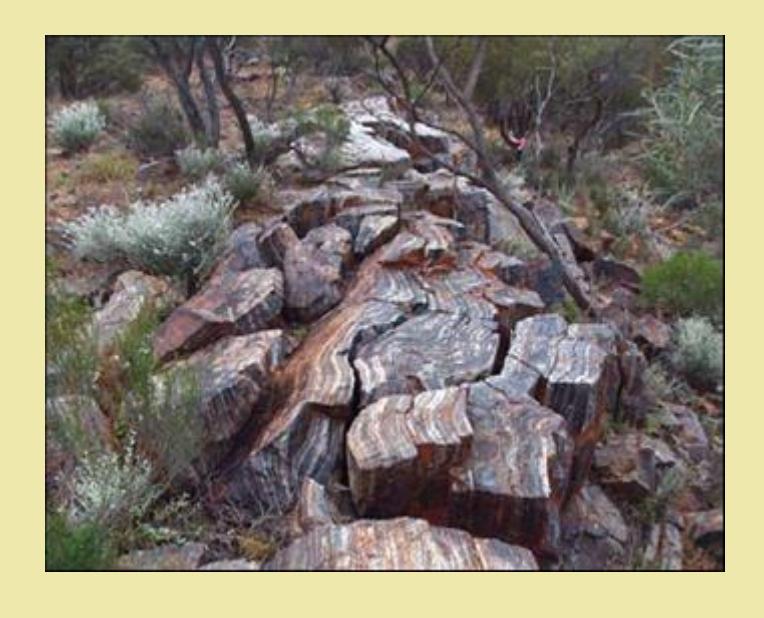
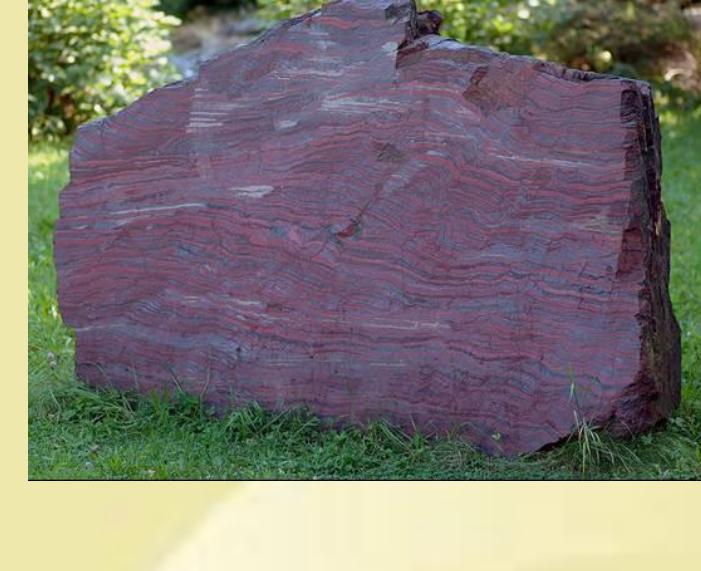
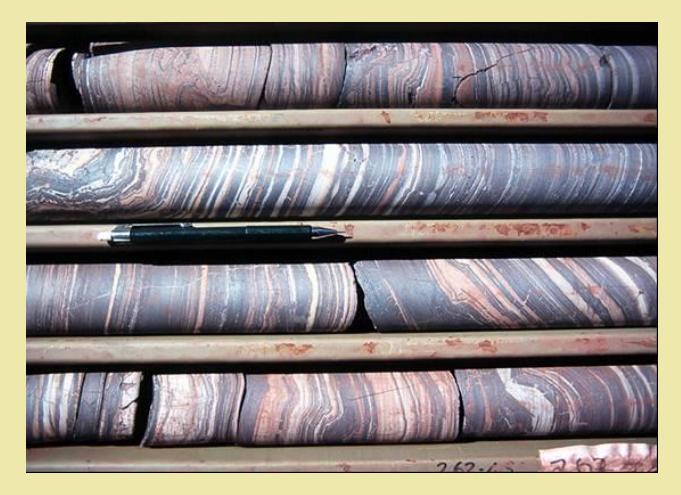
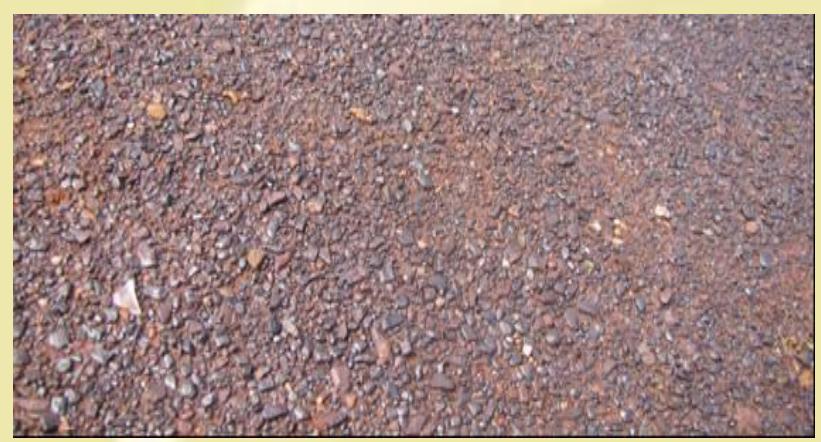
Weathering
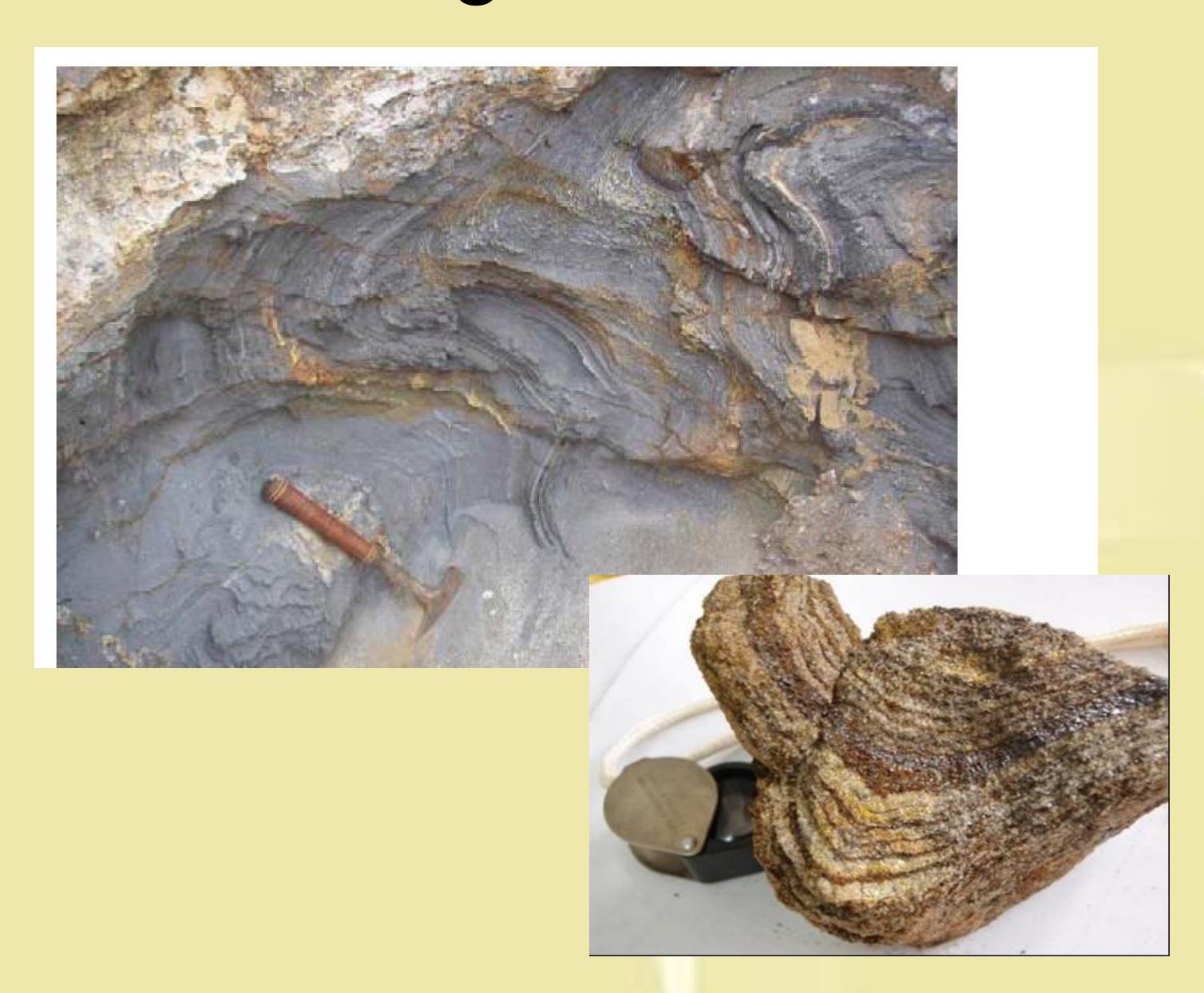
Mineral Content
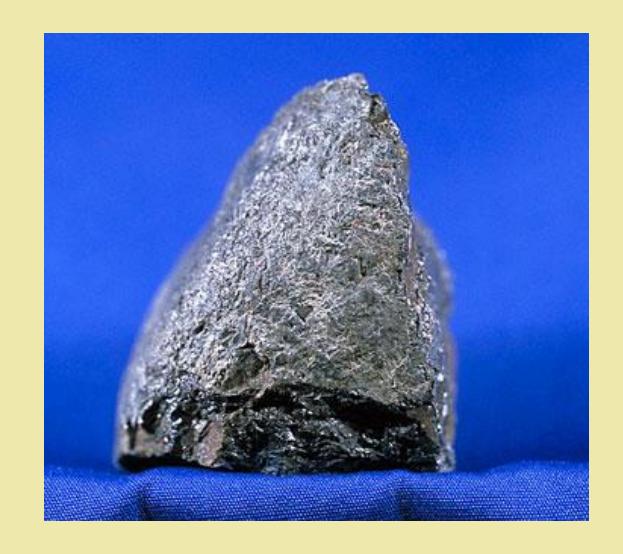
magnetite
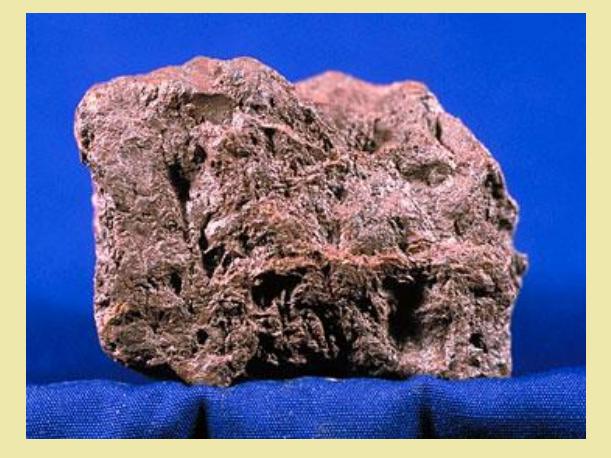
hematite
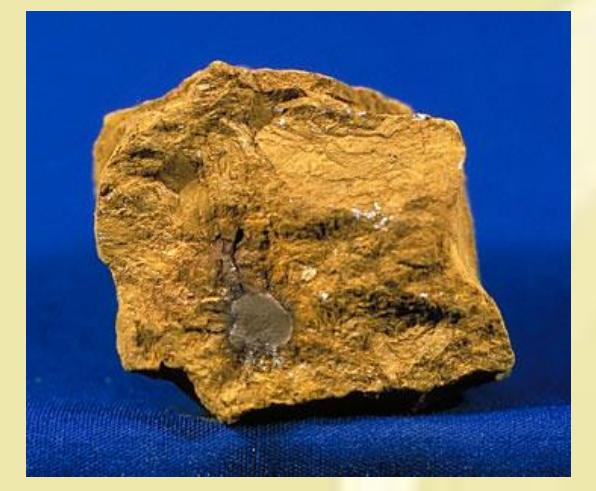
limonite
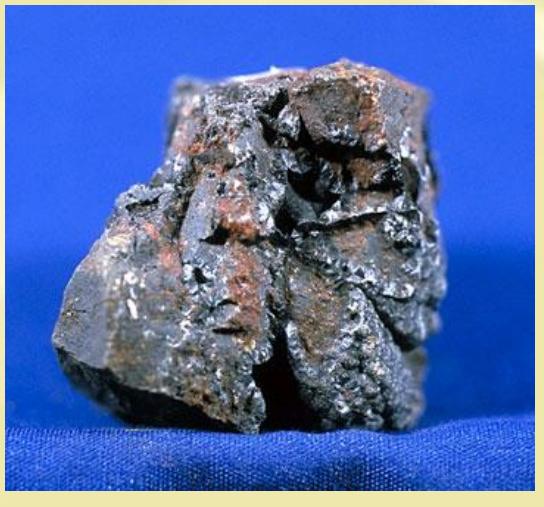
goethite
Micro-structure
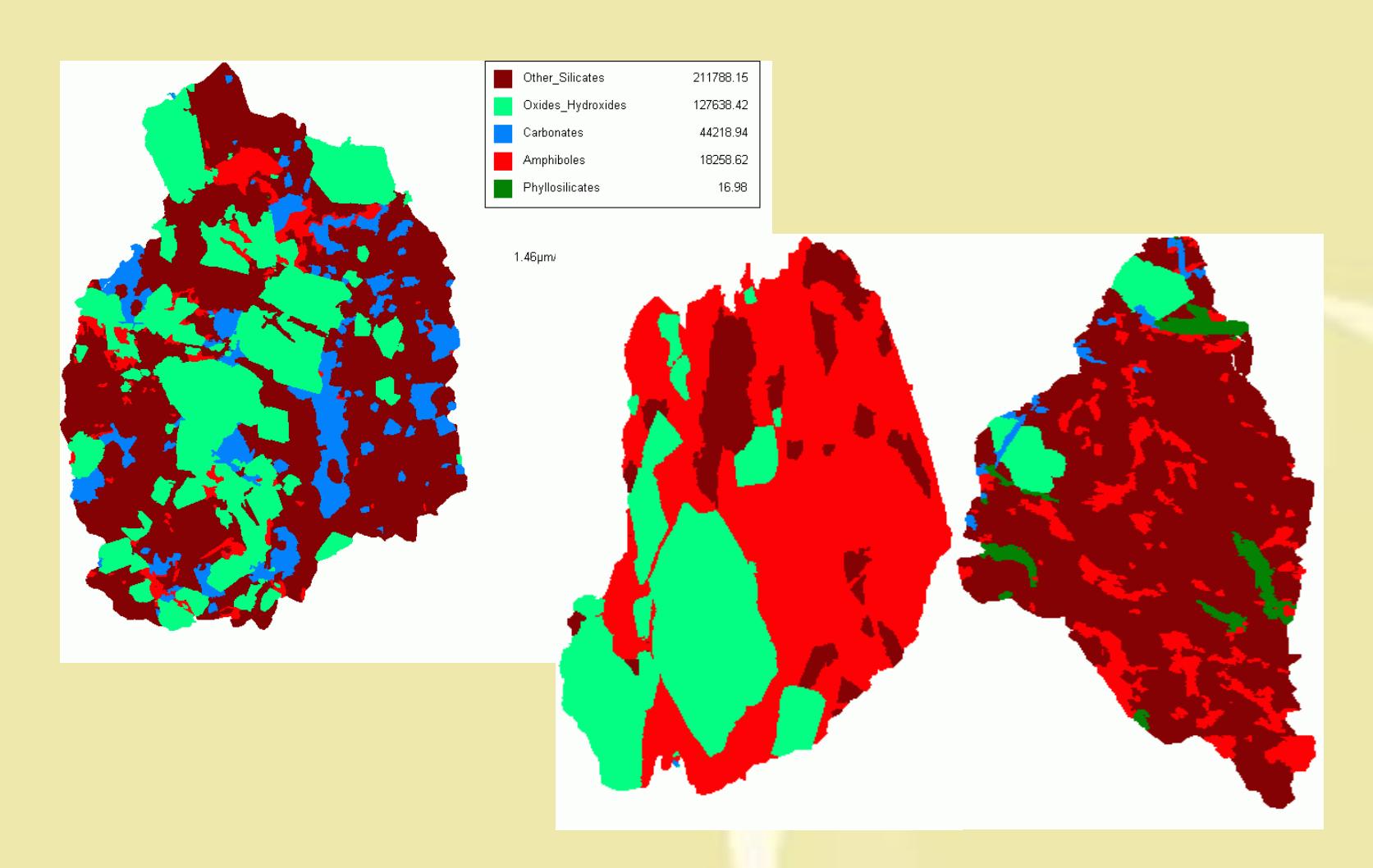
Relationships?
• Do any of these relate to grinding circuit design?
Relationships?
• Yes and No
Relationships?
• Yes
– they all contribute in some way
But
• No
- not in any universal way related to morphology
- there are other factors
- Often several comminution routes are equally technically viable
However
-
There are some general rules
- So what are the drivers?
DRIVERS
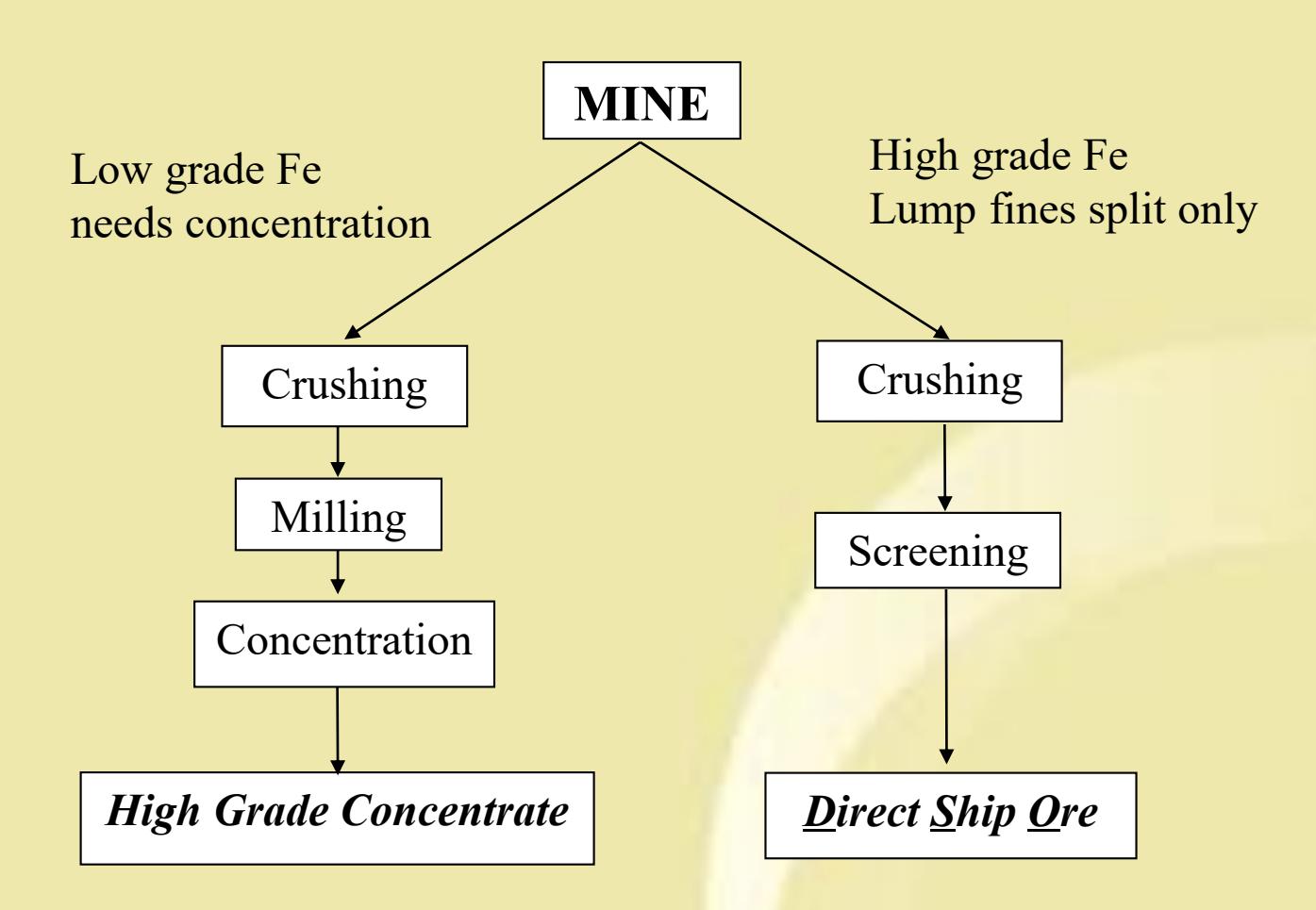
Grade: high and low grade have different processes
Grain size: affects number of size reduction stages
Hardness: affects size and type of equipment
Hardness variability: affects type of equipment
Capex/Opex: dictates final choice between suitable designs
Local preference (prejudice): may overrule all others
GRADE
GRAIN SIZE
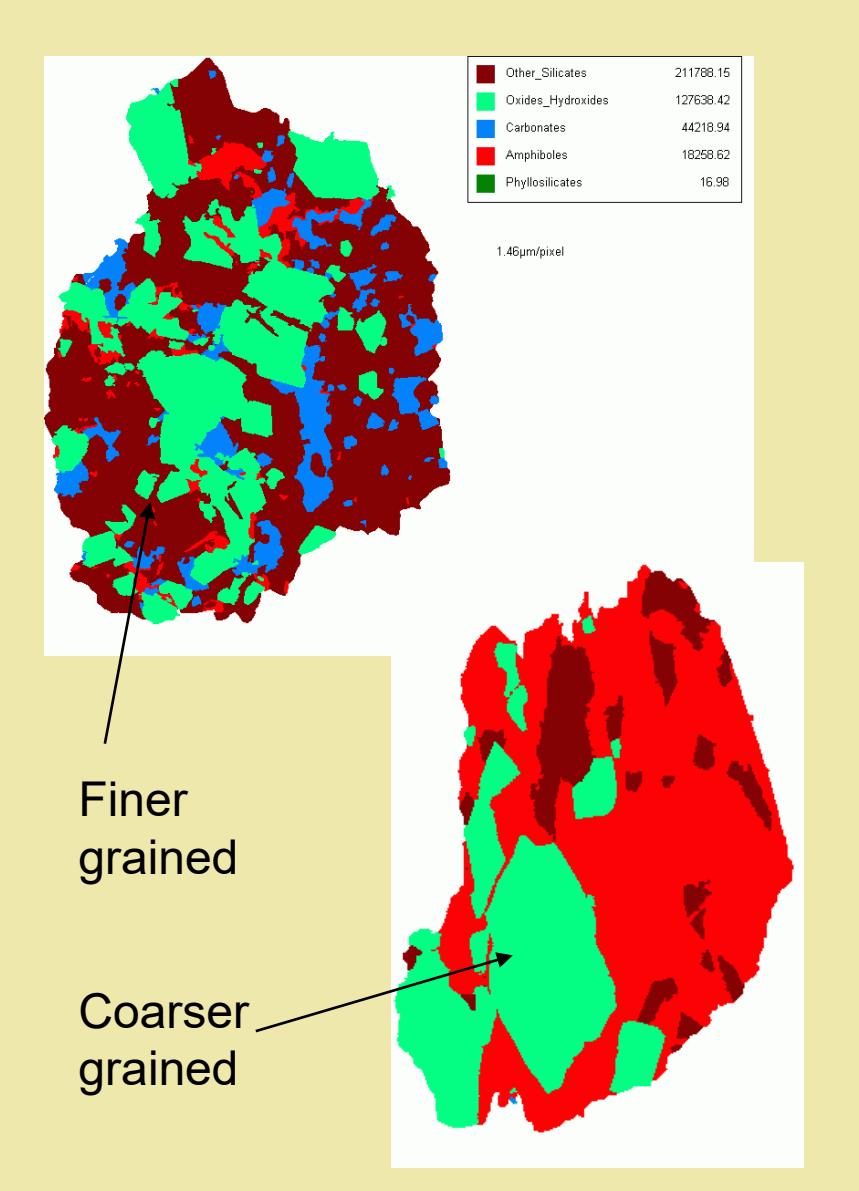
To be able to concentrate low grade ore need to grind to liberate Fe oxides
The smaller the grain size of Fe oxides the finer the grind
The fineness of the grind influences circuit design, eg more stages
HARDNESS
- Influences circuit design and equipment size
-
Need a relevant hardness measurement
- Bond work index: crushing, rod, ball; UCS; IS50; SPI®; JK drop-weight; SMC Test ®
- Must have proven correlation with comminution equipment performance
- Need big data base for benchmarking
- Must be easy to do, eg should be able to use small diameter drill core
SMC Test®
Drill Core Samples PQ, HQ, NQ
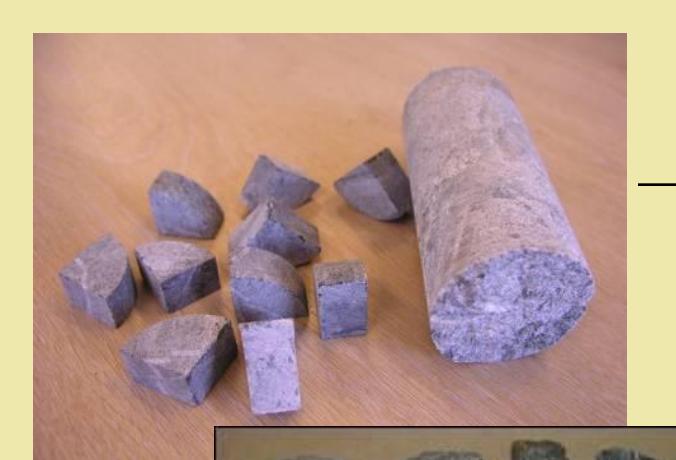
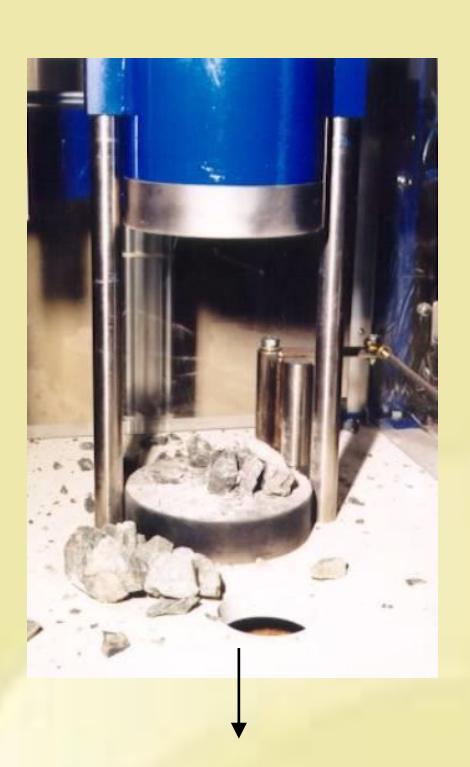
Break in laboratory device:
16 laboratories worldwide
Hardness Parameter DWi
Predict AG/SAG/Crusher/HPGR
- Crushers
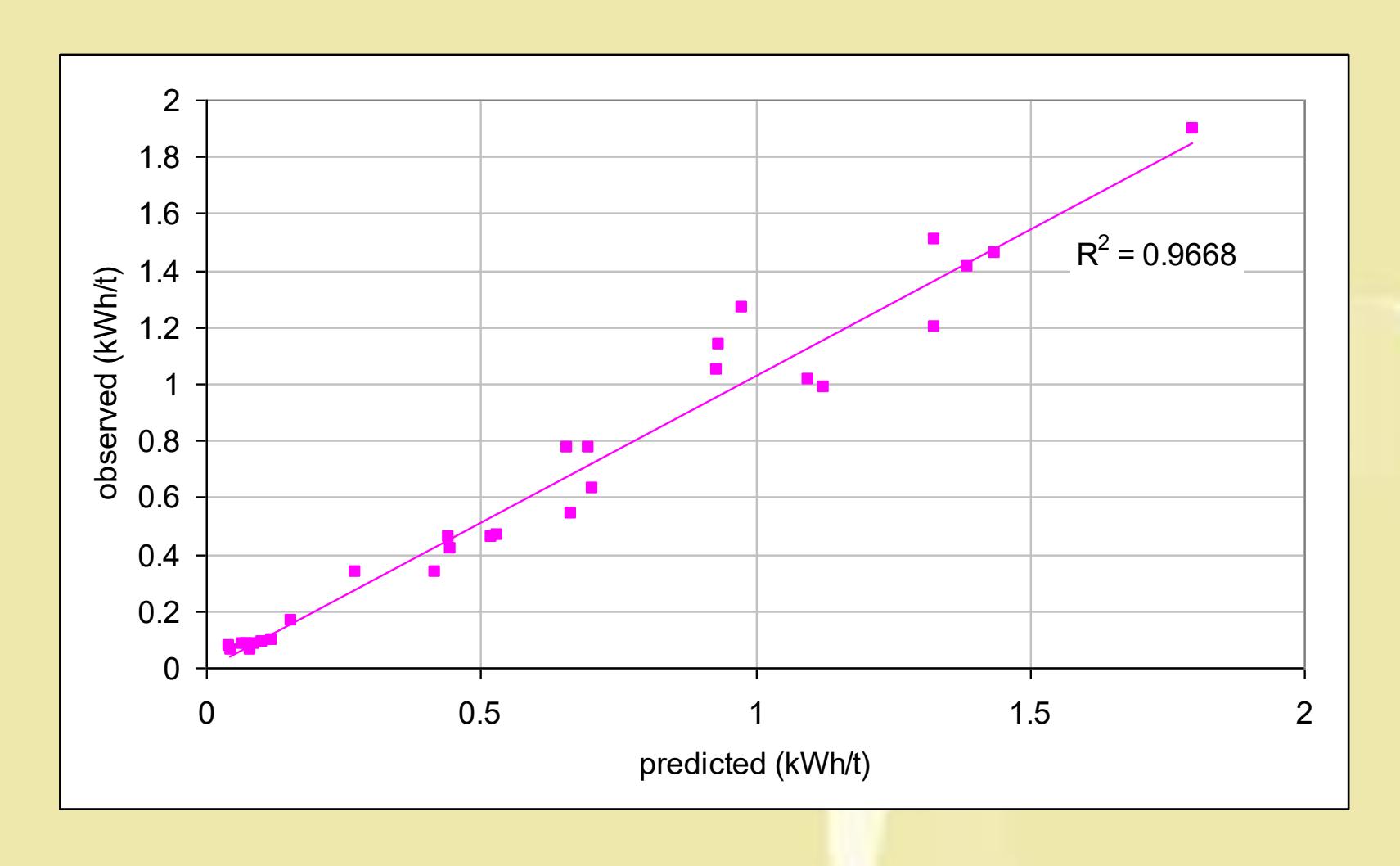
- HPGRs
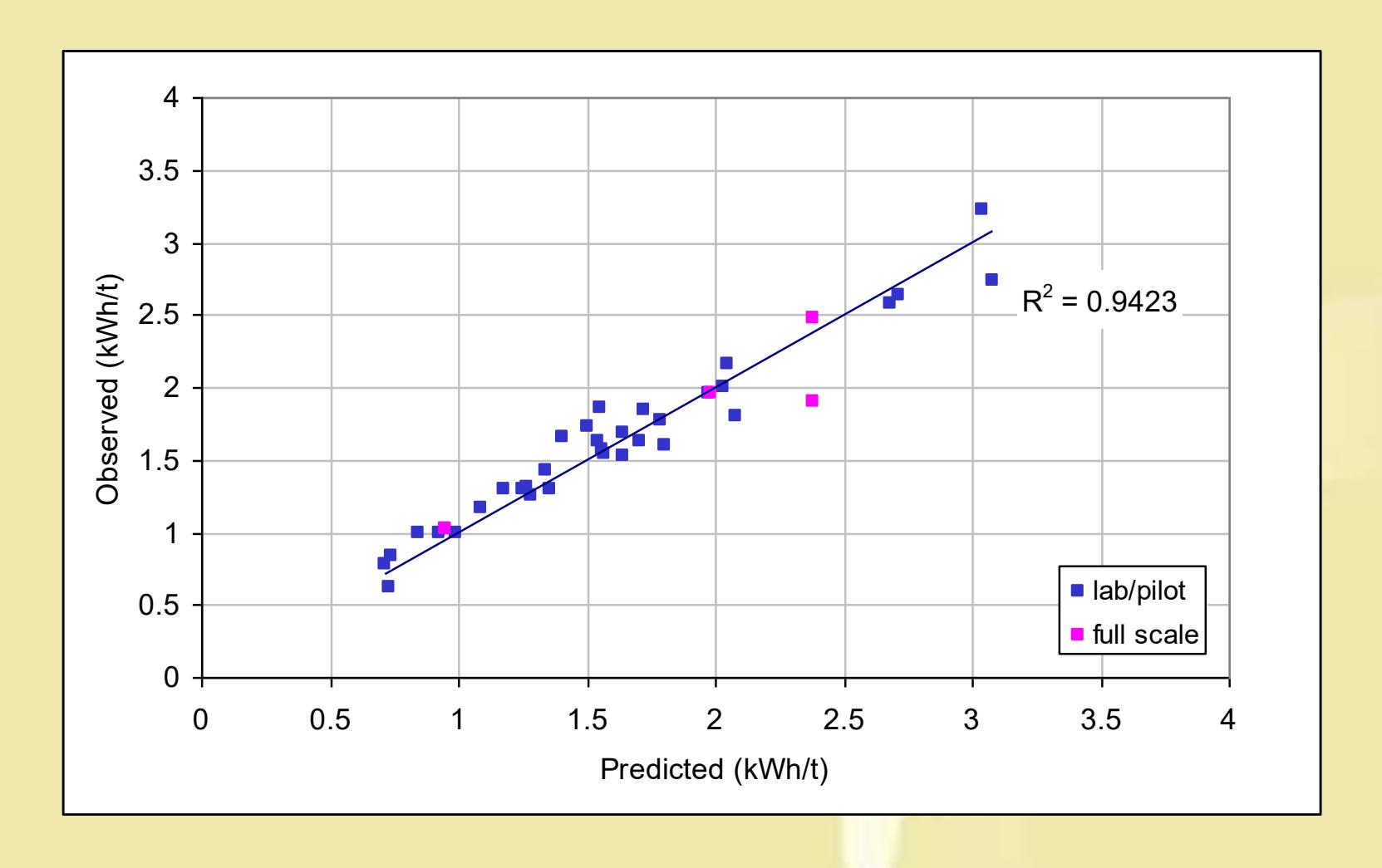
- AG/SAG
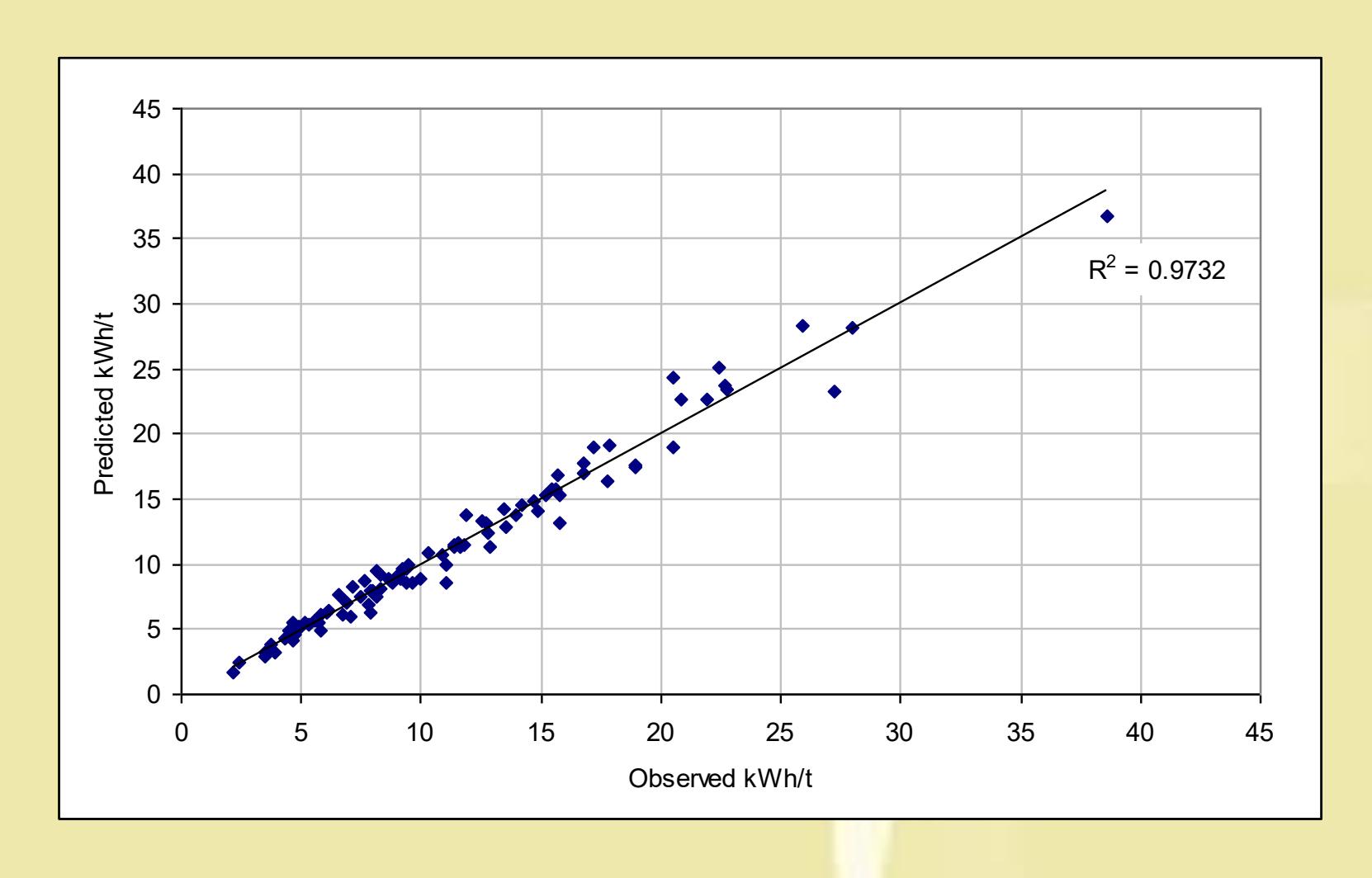
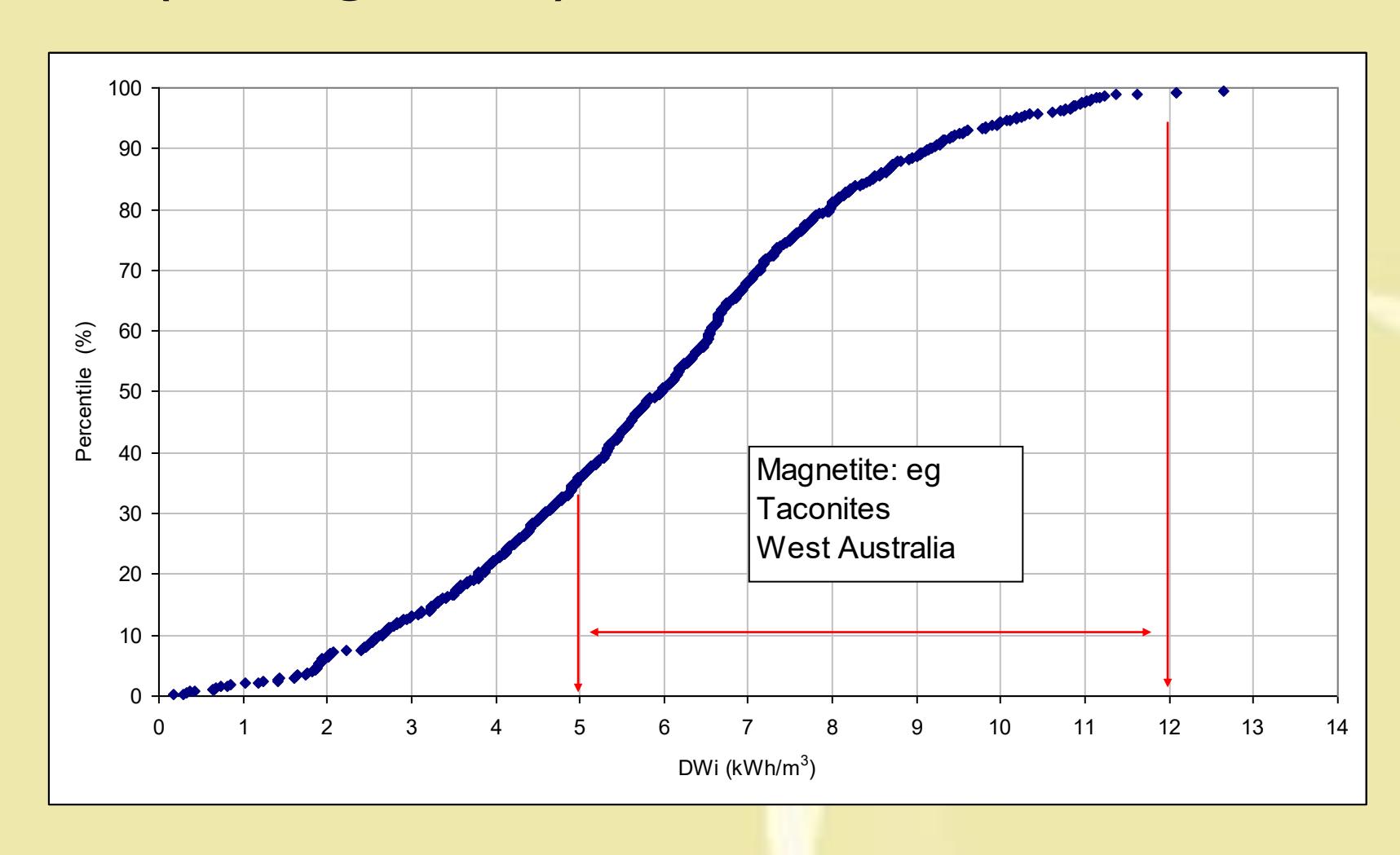
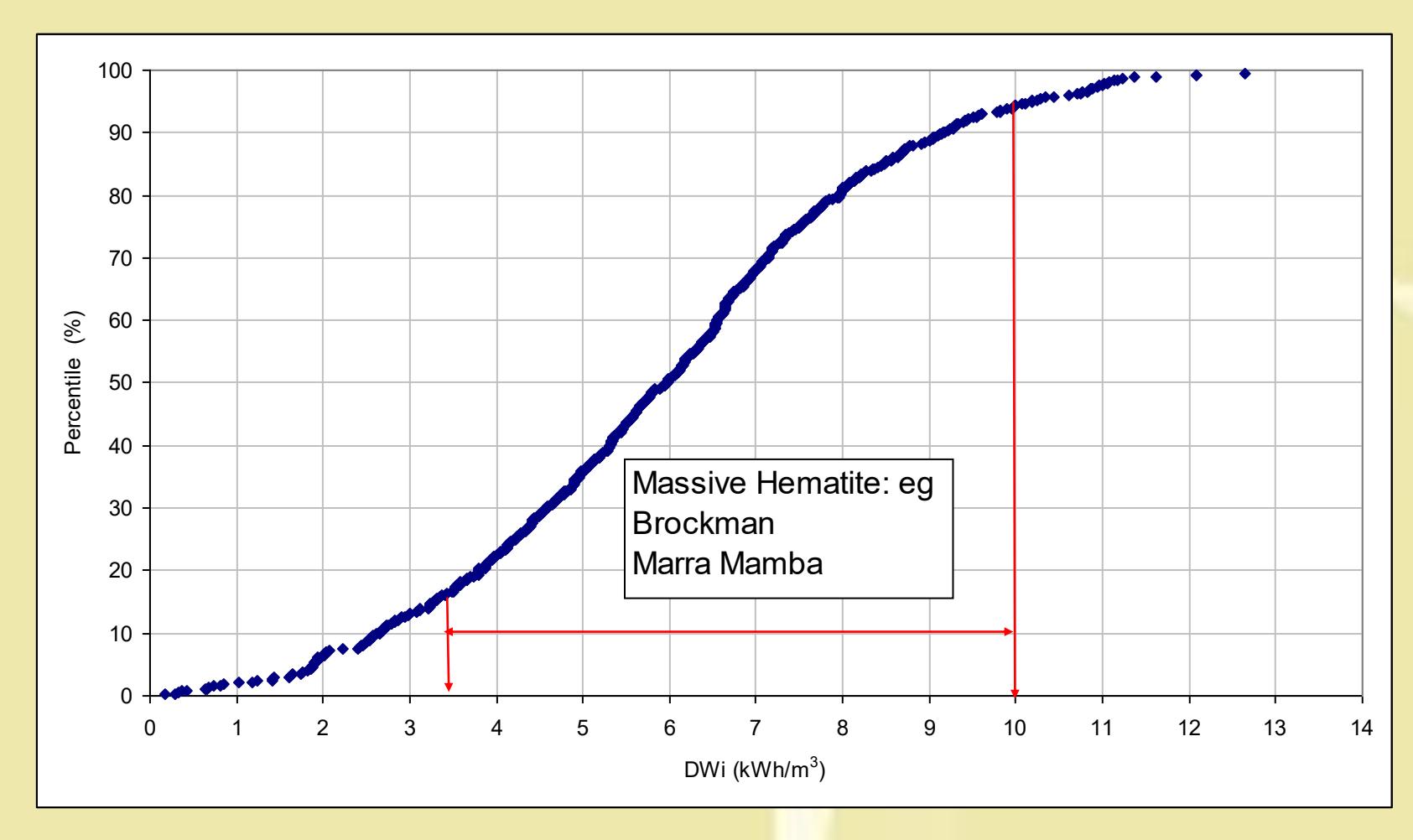
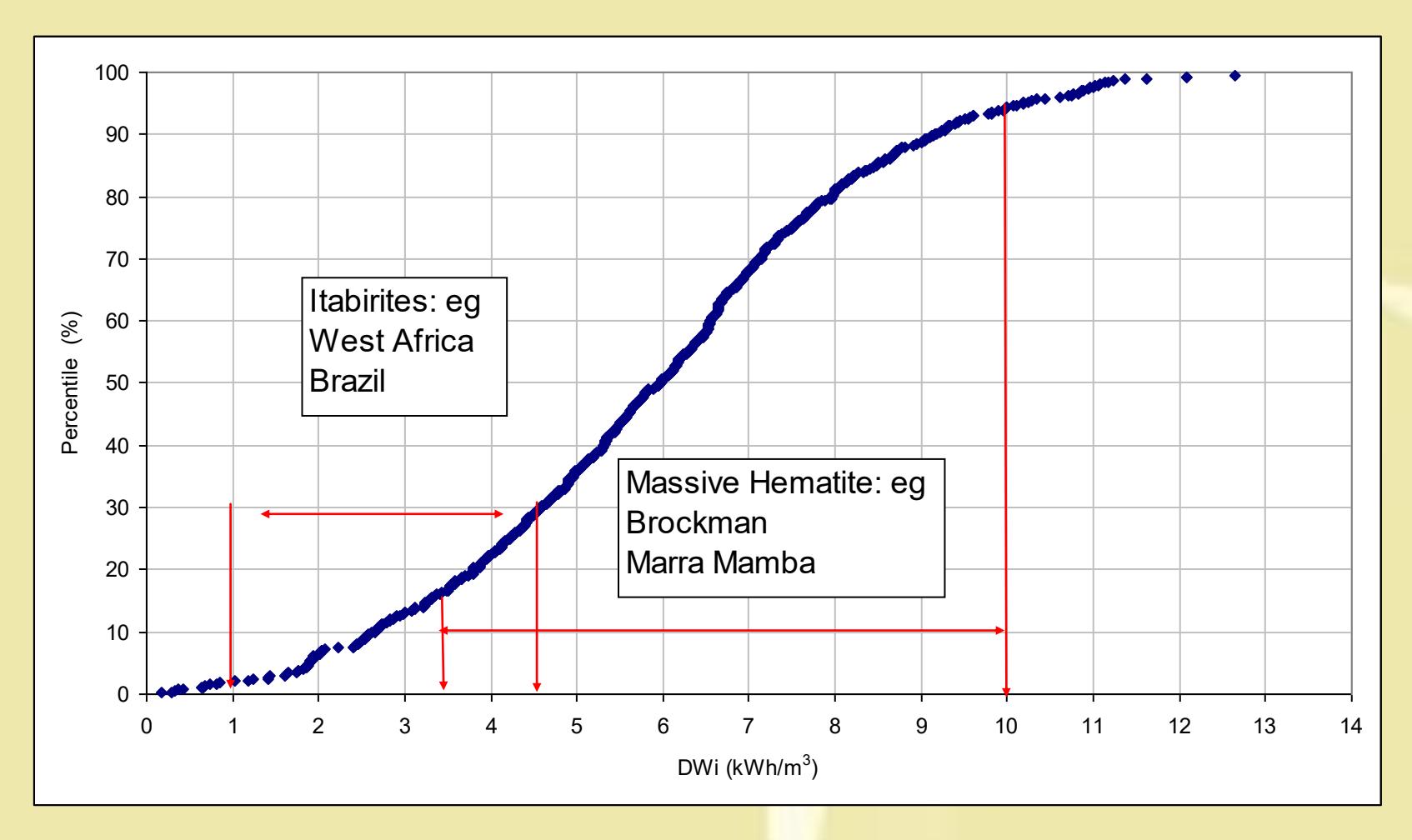
DWi DATA BASE
Over 17000 tests done to date
Over 700 different ore deposits
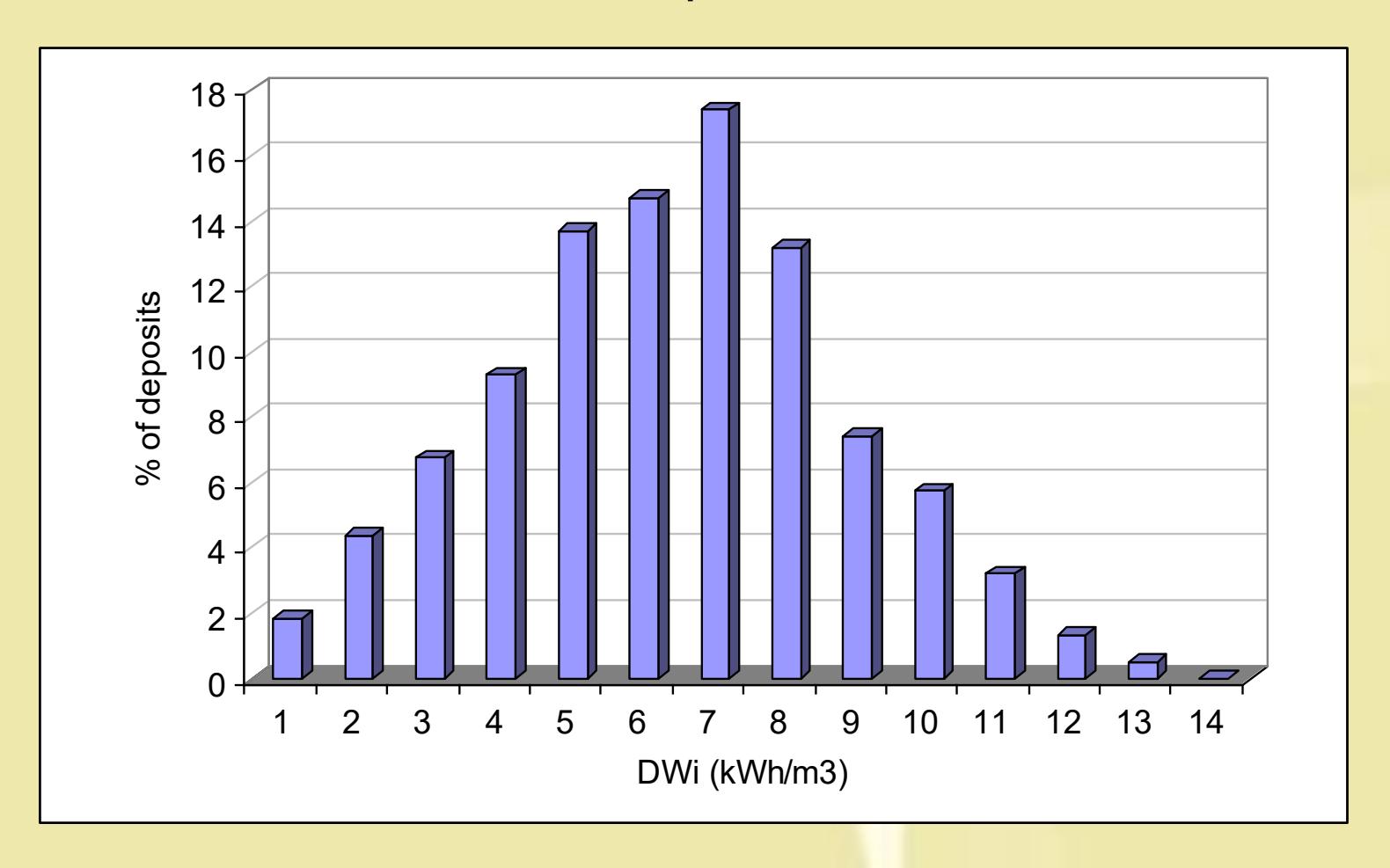
DWi Distribution
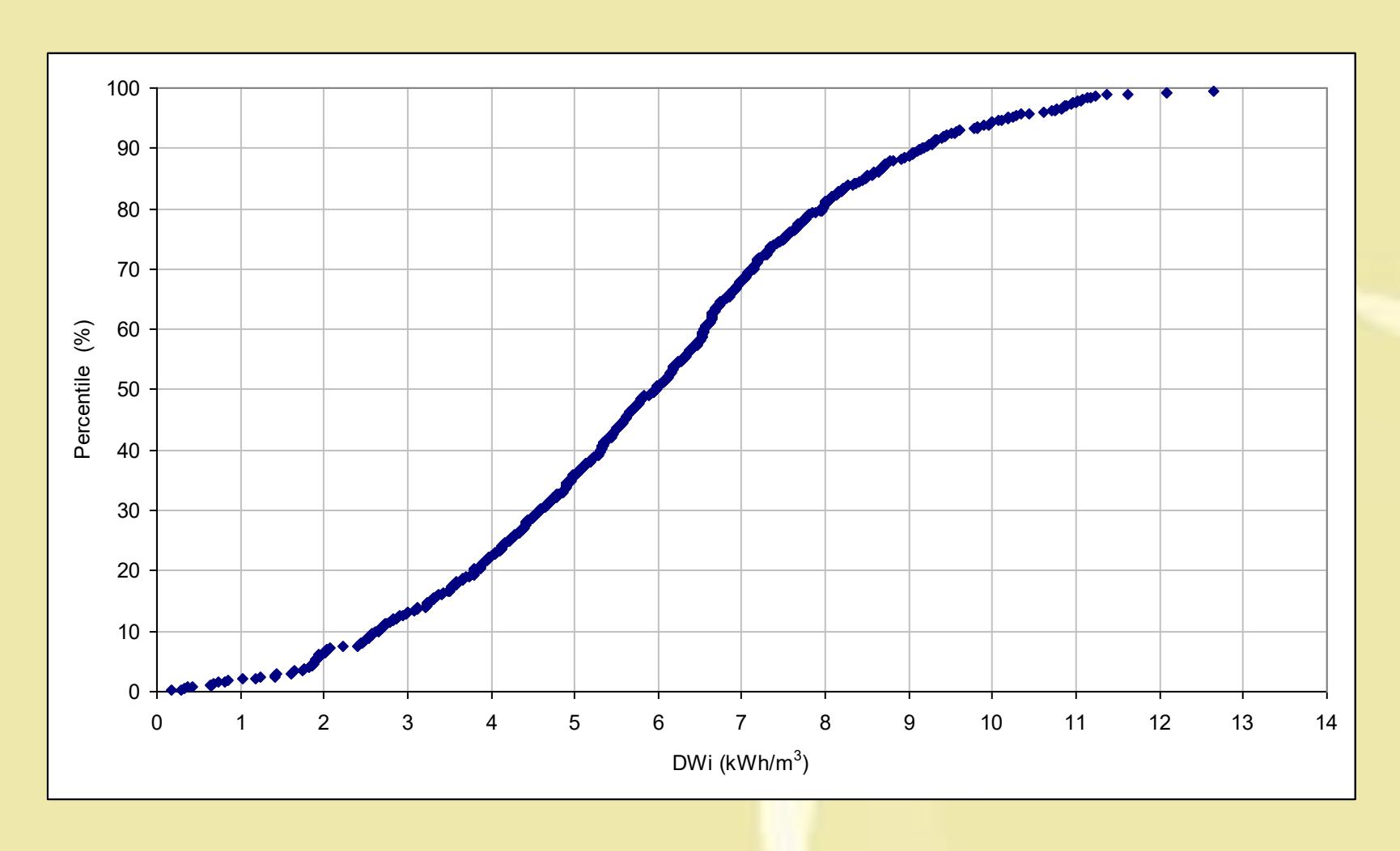
Magnetites (low grade)
Hematites (high grade)
Hematites
(low and high grades)
Comminution Circuit Designs
Blasting
• Good comminution circuit design starts with good blasting design
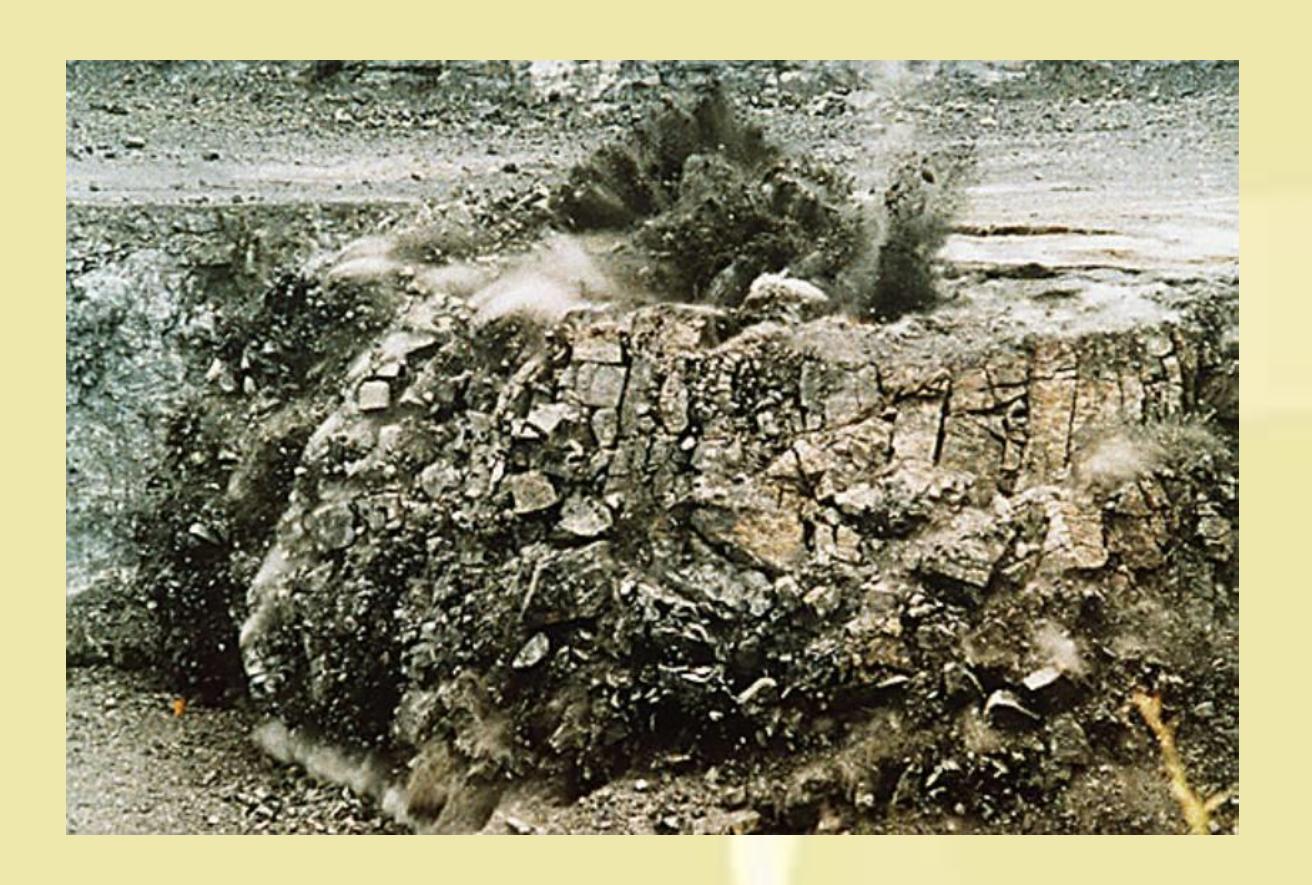
Blasting
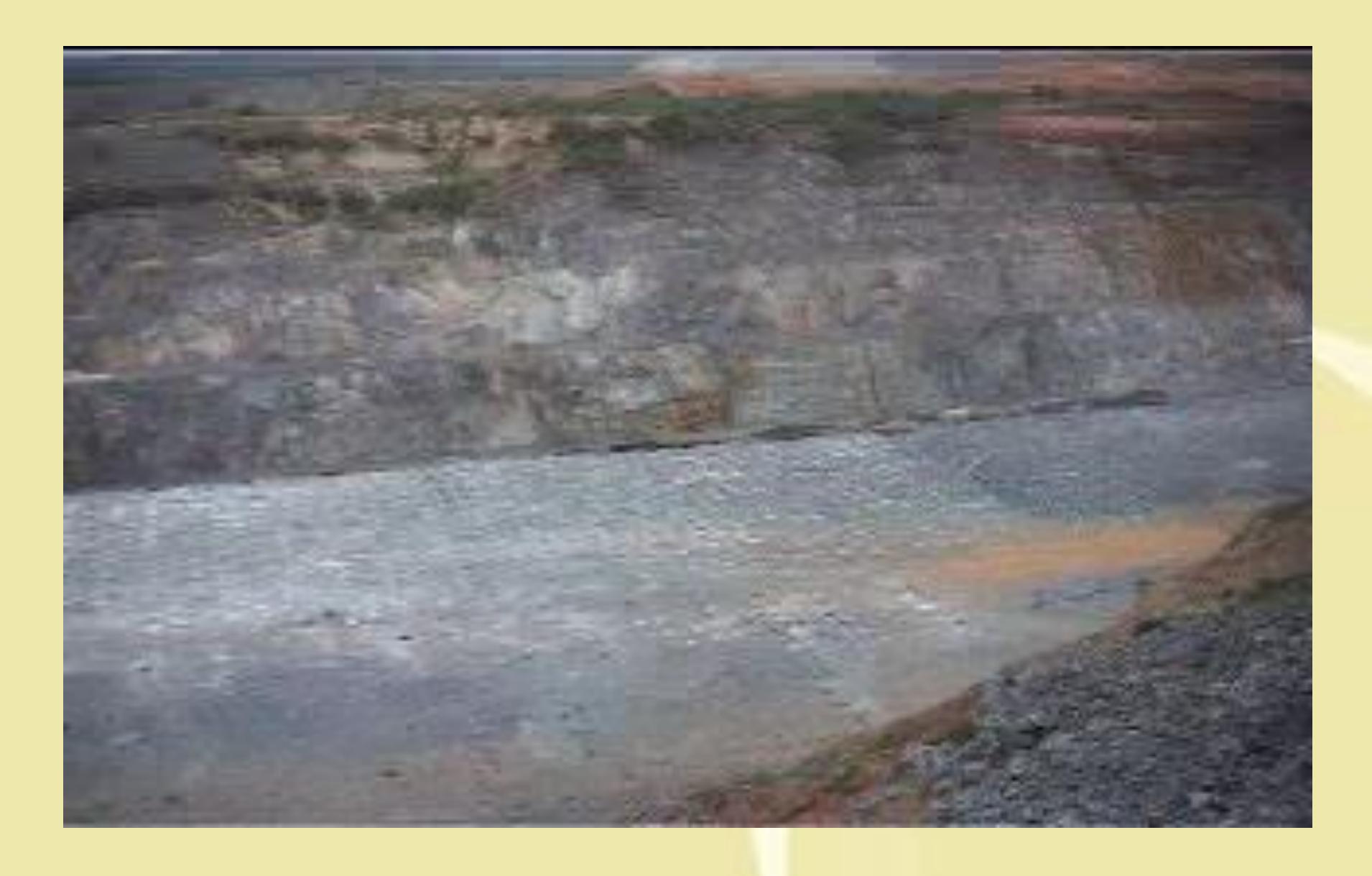
Bad
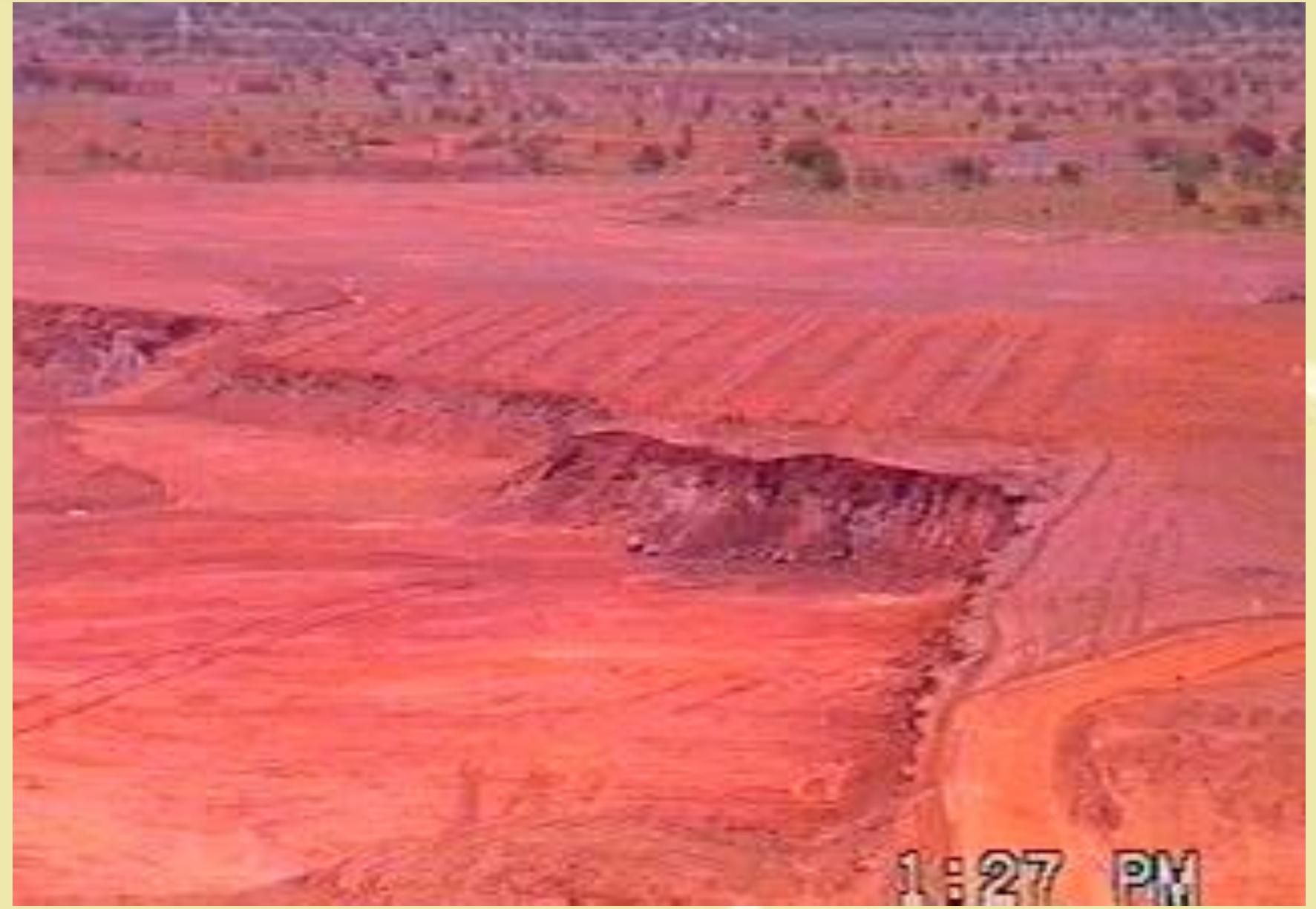
Better
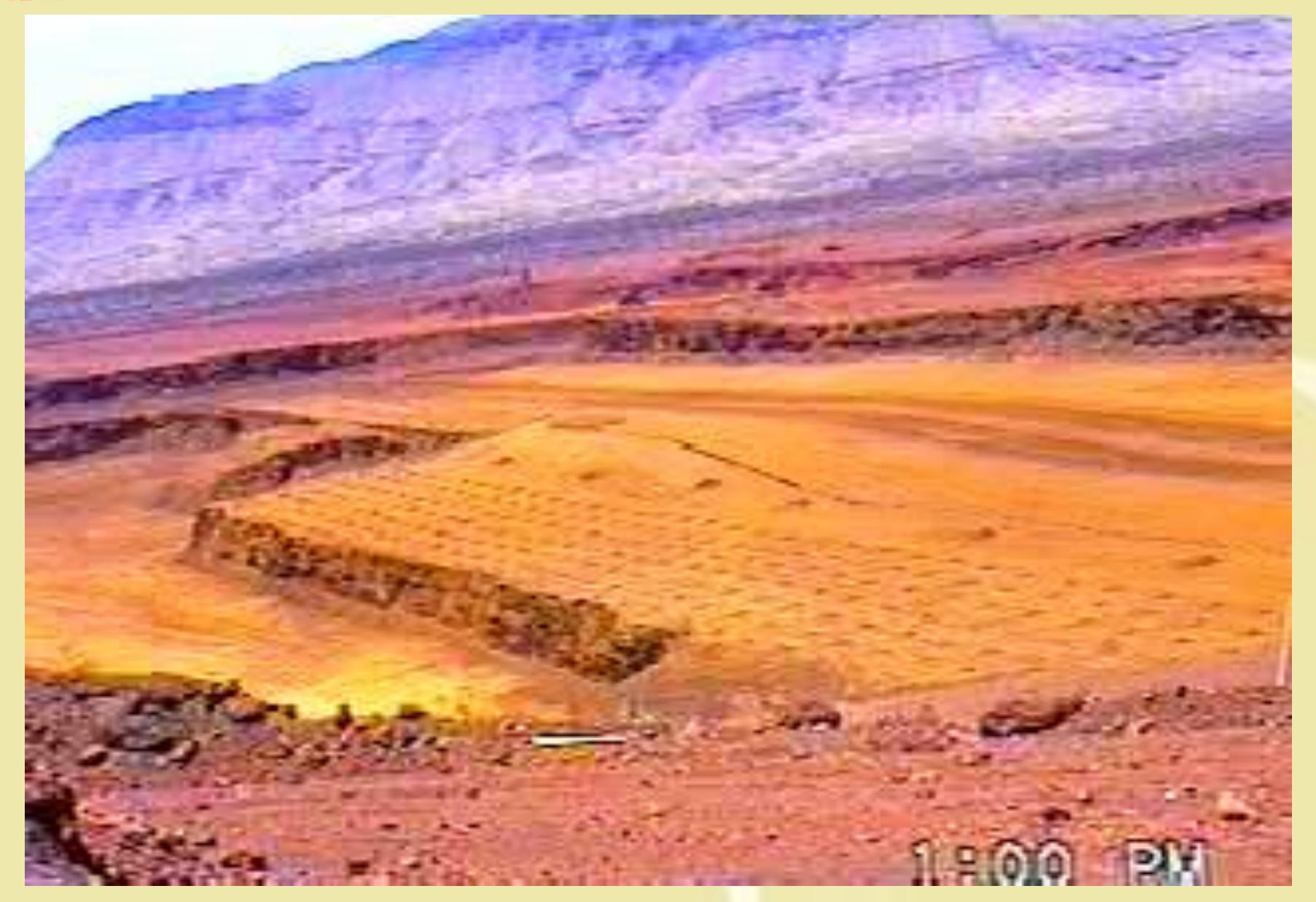
BLASTING
-
Needs to be tailored to process requirements eg,
- DSO minimise fines production
- Fine grained magnetite maximise fines production
HIGH GRADE CIRCUITS
DSO Circuit
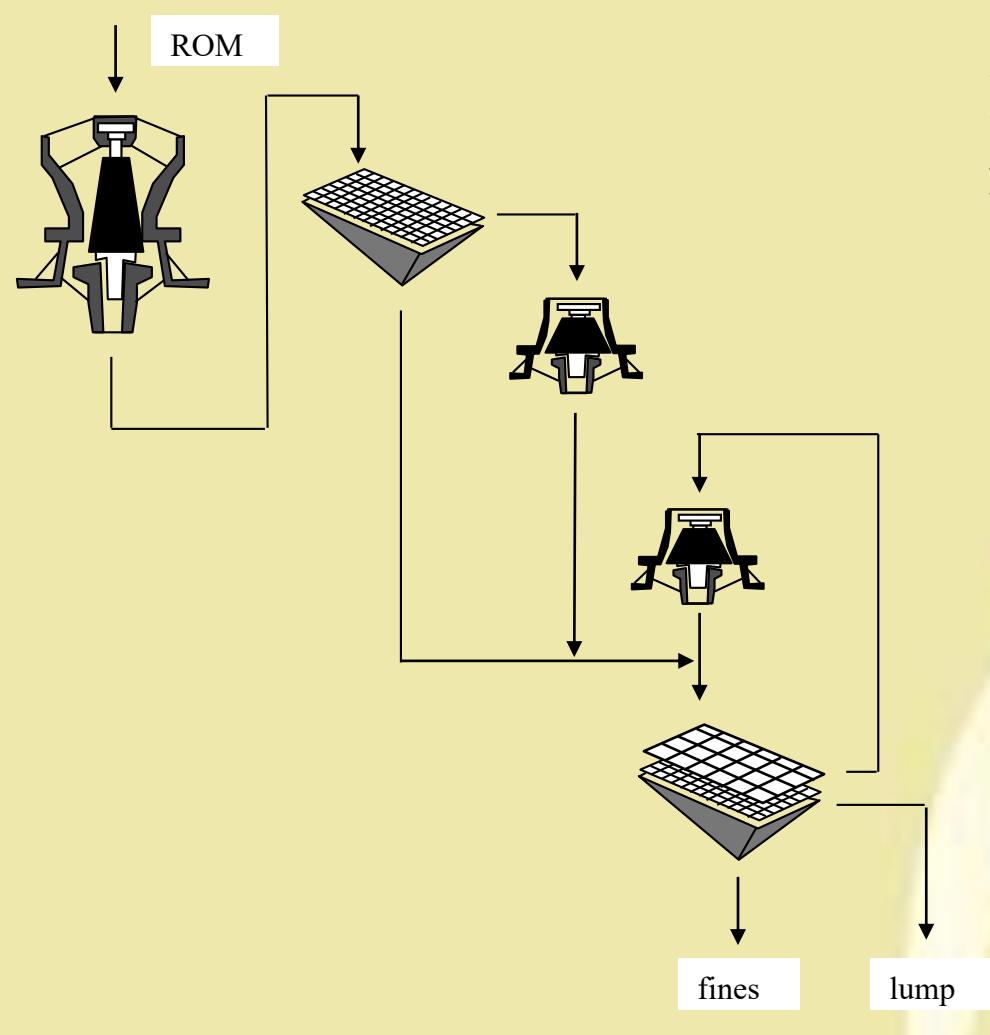
Maximise lump:fines ratio:
Minimise amount of size reduction in a single step
Minimise handling
Start with highest natural lump as possible
DSO Circuit
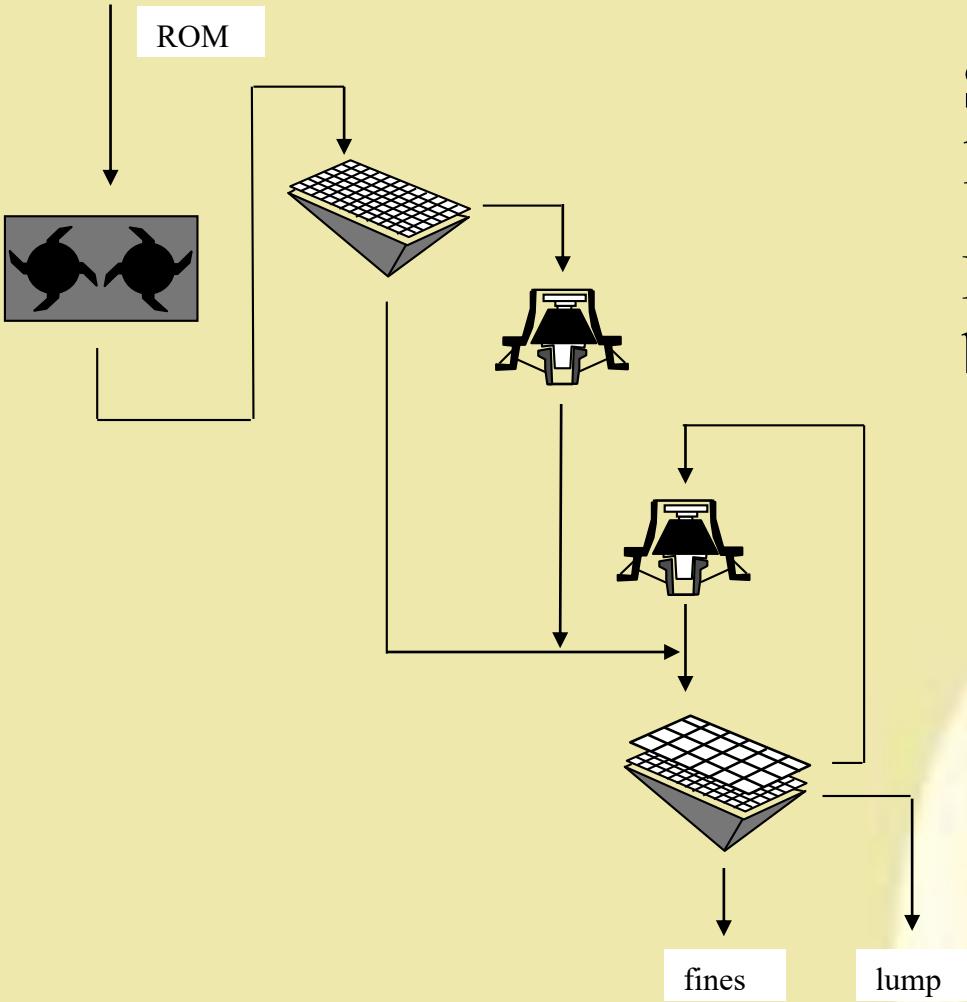
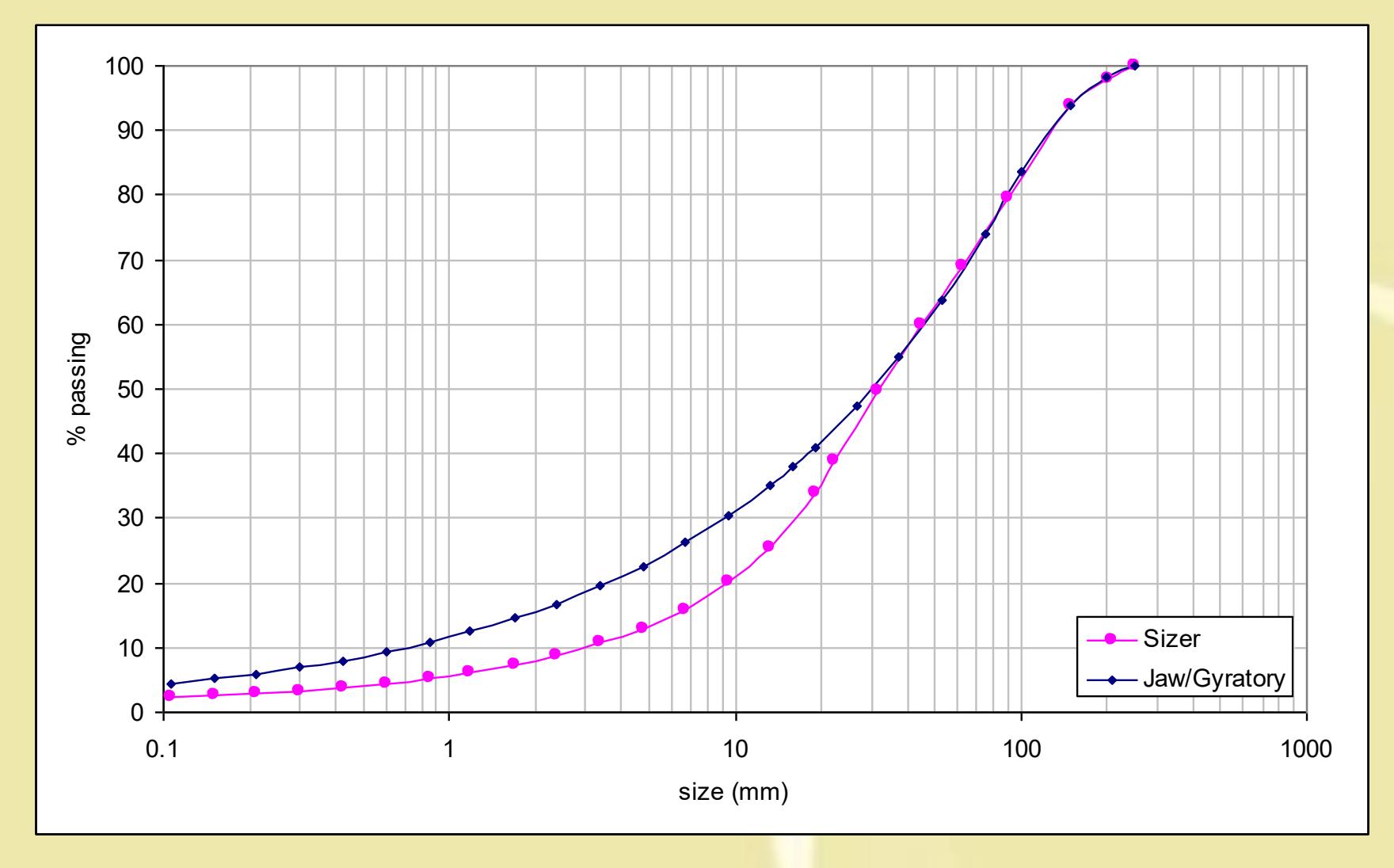
Sizers maximise natural lump
Don't forget influence of blasting
Sizer vs Gyratory
LOW GRADE CIRCUITS
Crush-Ball
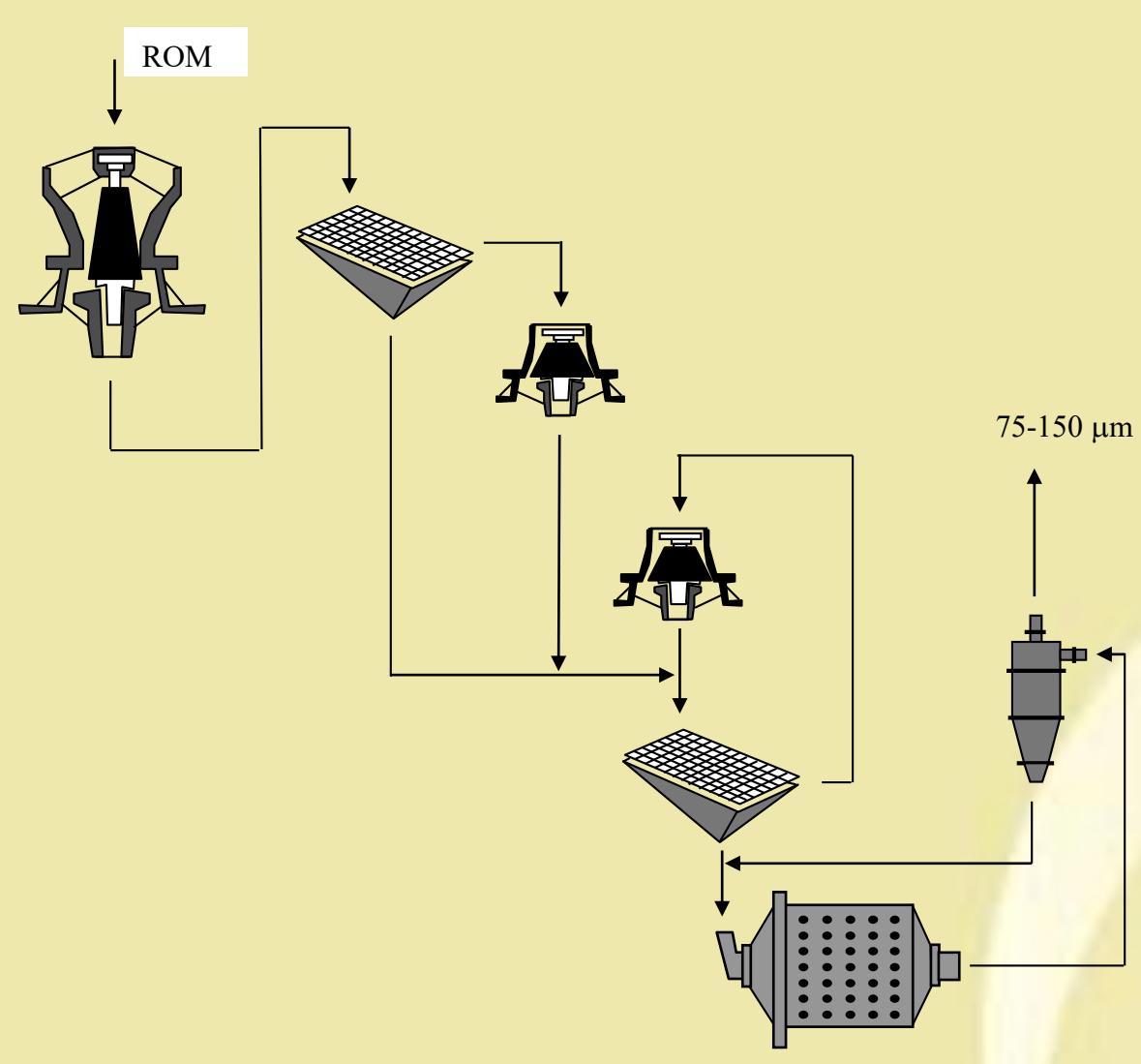
One of oldest circuits
Now normally only used with very hard ores and small operations
HPGR-Ball
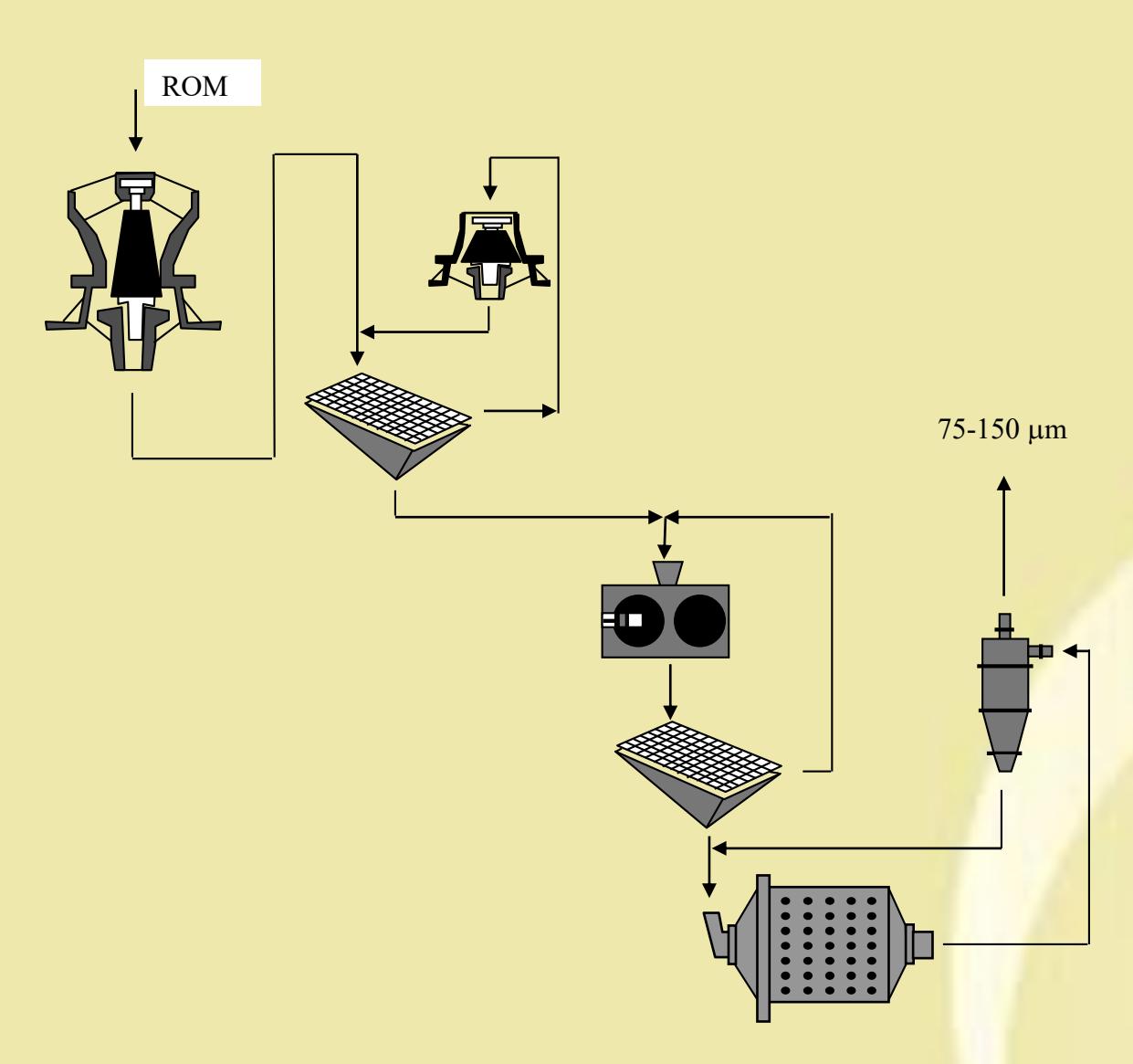
Increasingly popular with harder ores
High unit capacities of HPGRs favour large scale processing
Energy saving advantage only seen with hard ores and coarse grind
Good with deposits with variable hardnesses
AG/SAG-
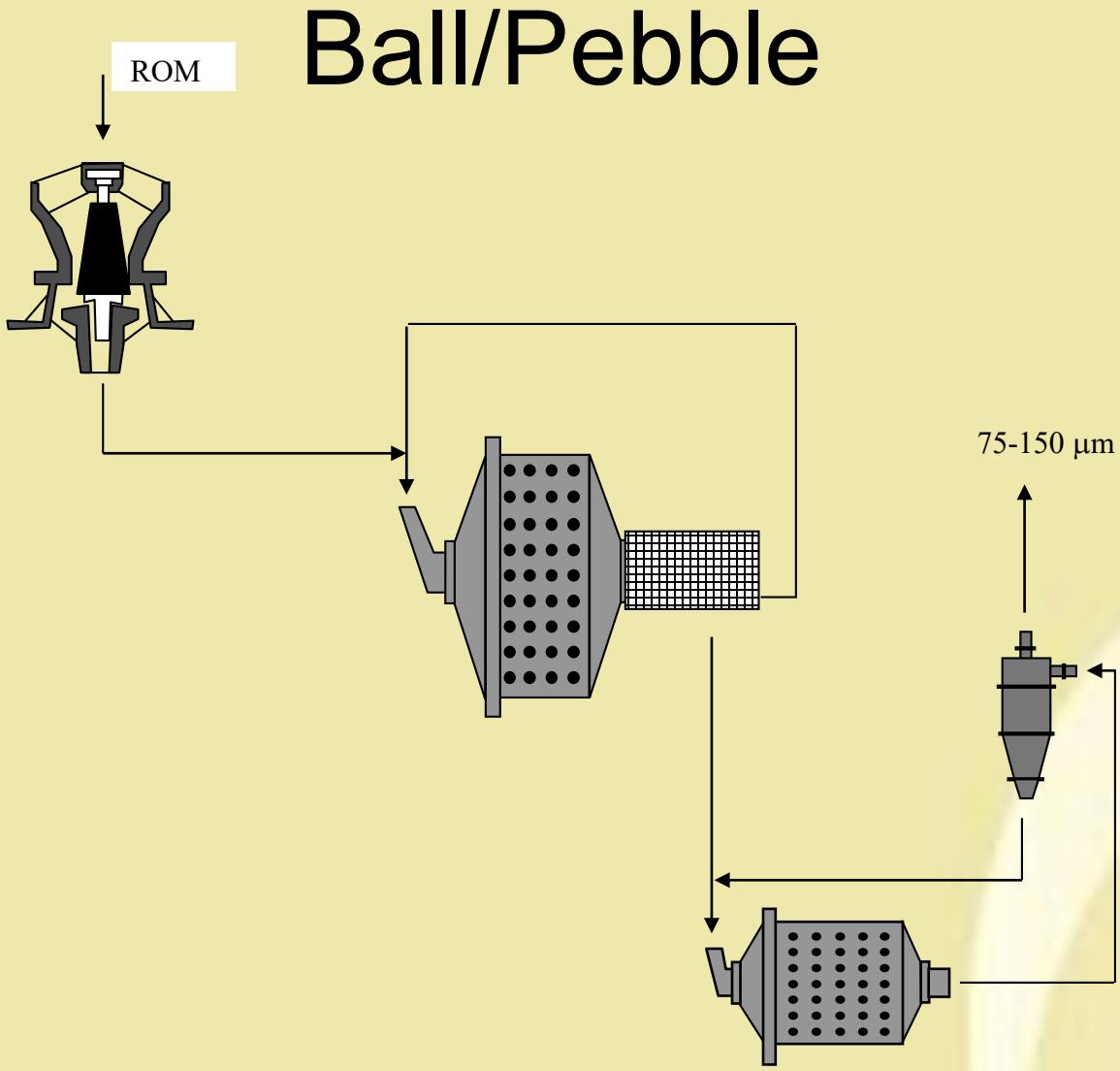
SAG circuits usually have pebble crushers for harder ores
AG circuits usually have pebble crusher
AG/SAG-
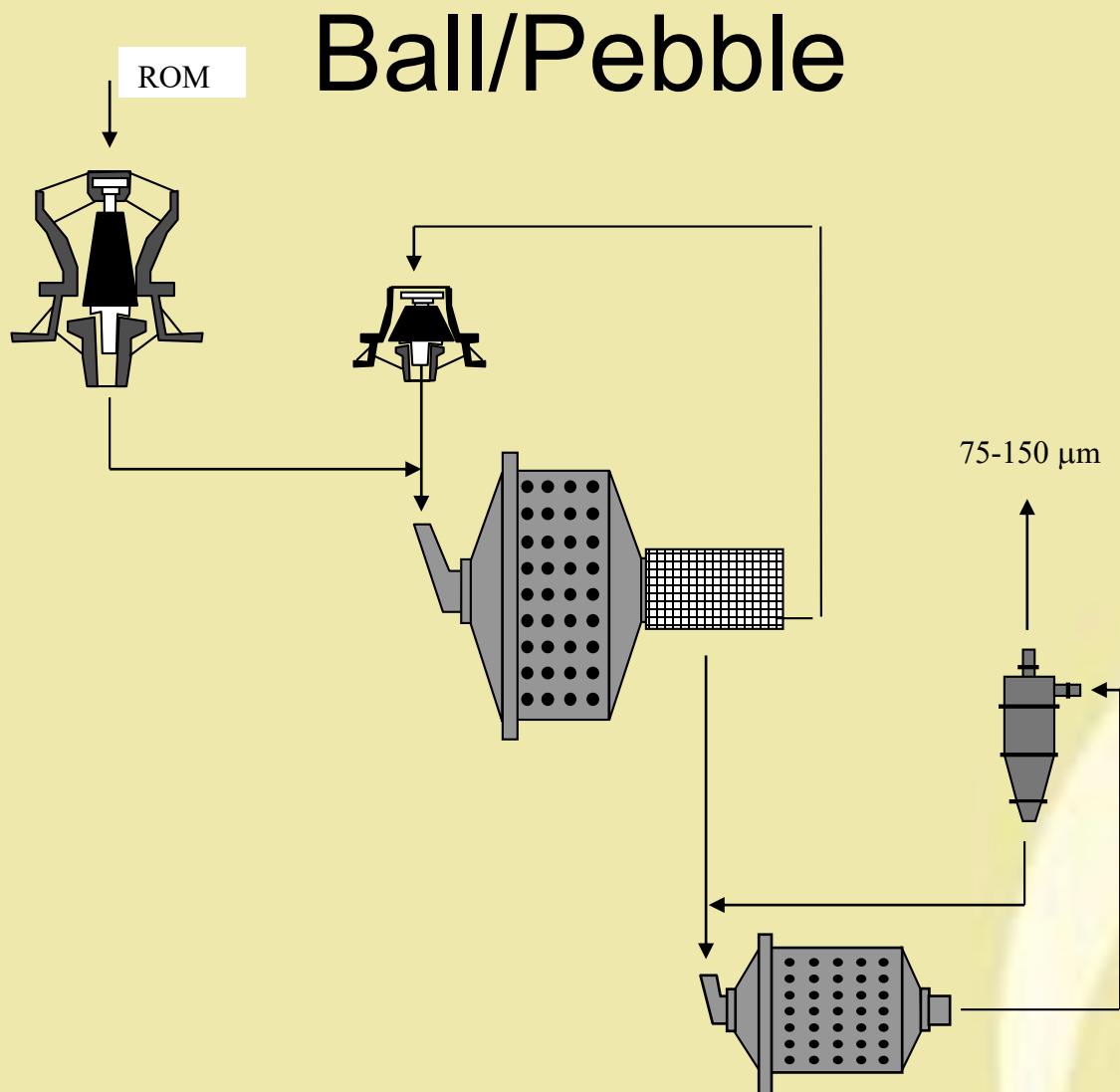
SAG good for very high capacity
SAG/ball particularly good for softer ores (Itabirites?)
AG/pebble favoured for fine grinding and hard ores
AG not good with deposits with high hardness variability
Not good for low grade magnetite as can't concentrate after AG/SAG
Claim by some that AG/SAGball gives more slime production than crush-ball.
Evidence(?)
SLIMES
No evidence that slimes generation is any different
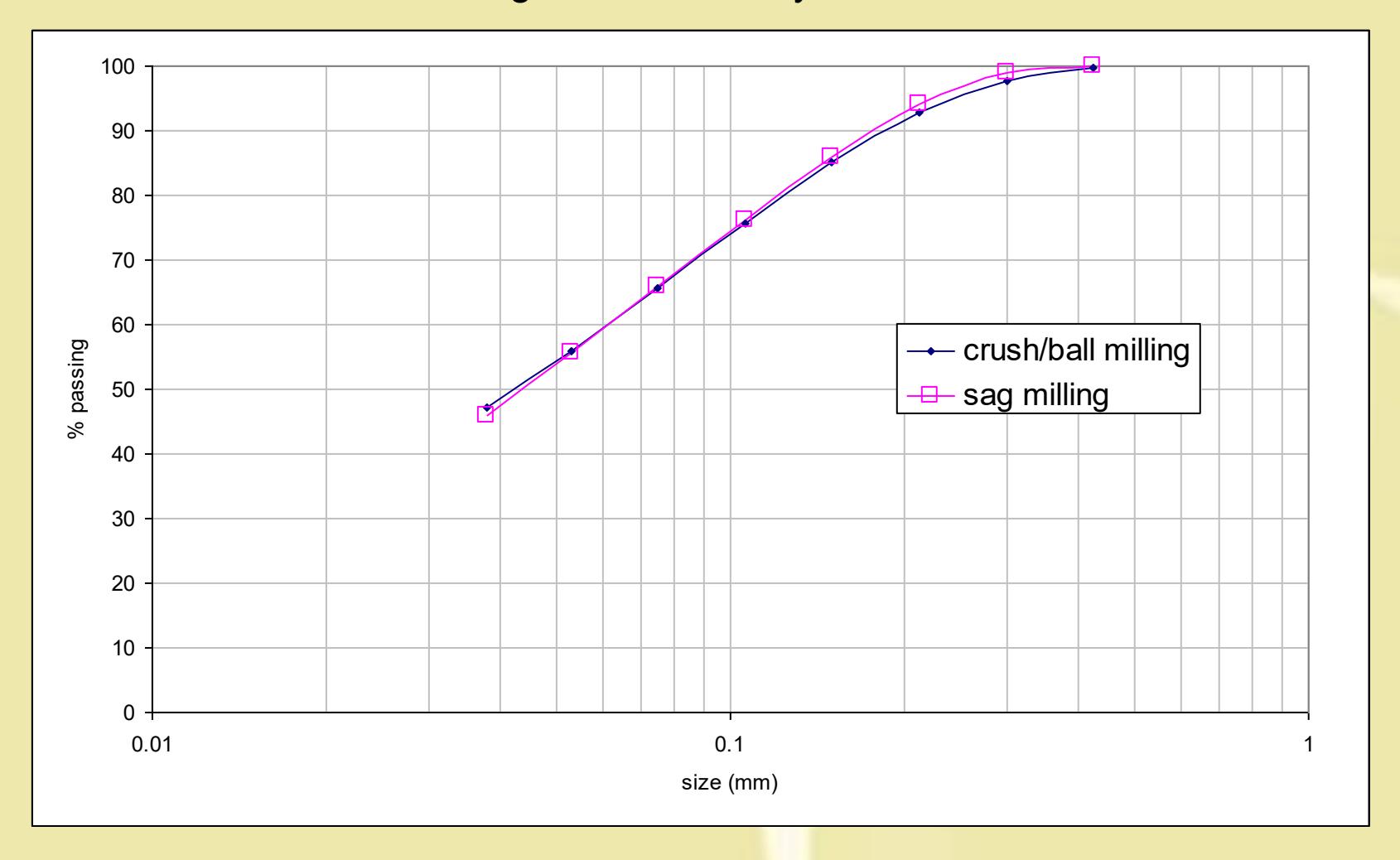
Closed Circuit AG/SAG
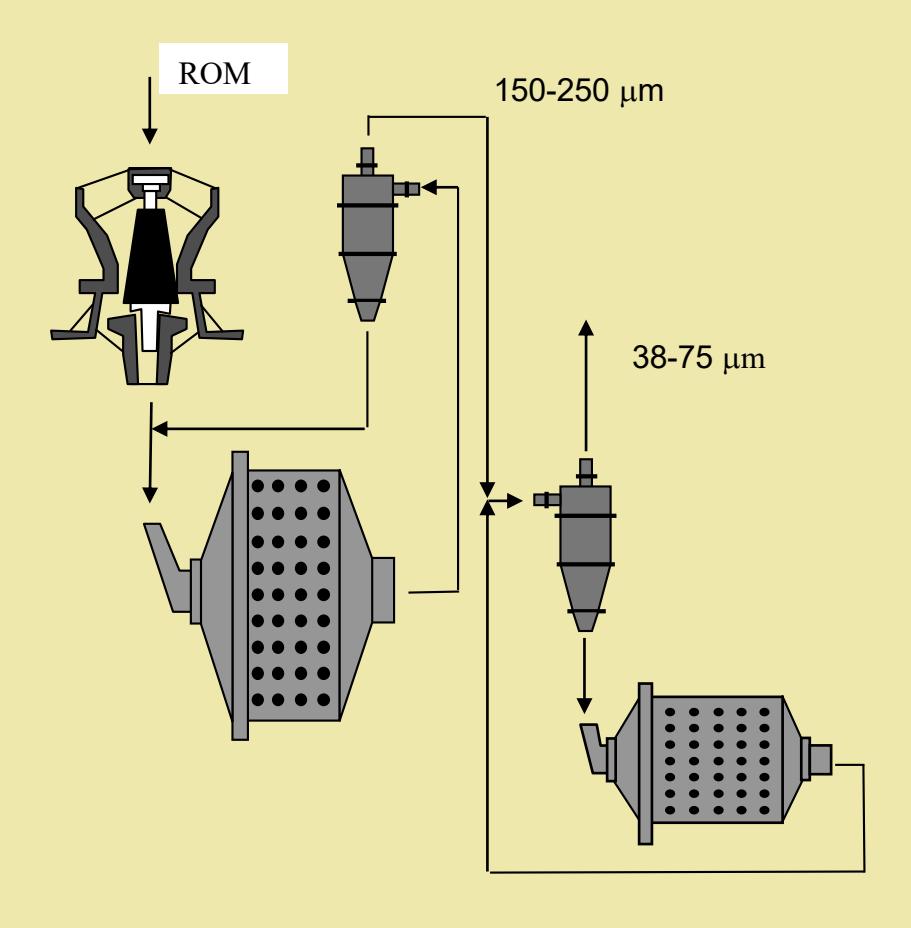

Closed AG/SAG enables early gangue rejection
Secondary circuit able to reach relatively fine grinds – AG/pebble can get down to 38 mm; ball mill more comfortable at 75 mm
Need harder low variability deposits for AG.
SAG/ball better for softer and more variable ores but may need extra stage for fine grind
AG/Pebble lower Opex and higher Capex compared with SAG/ball
Fine grinding
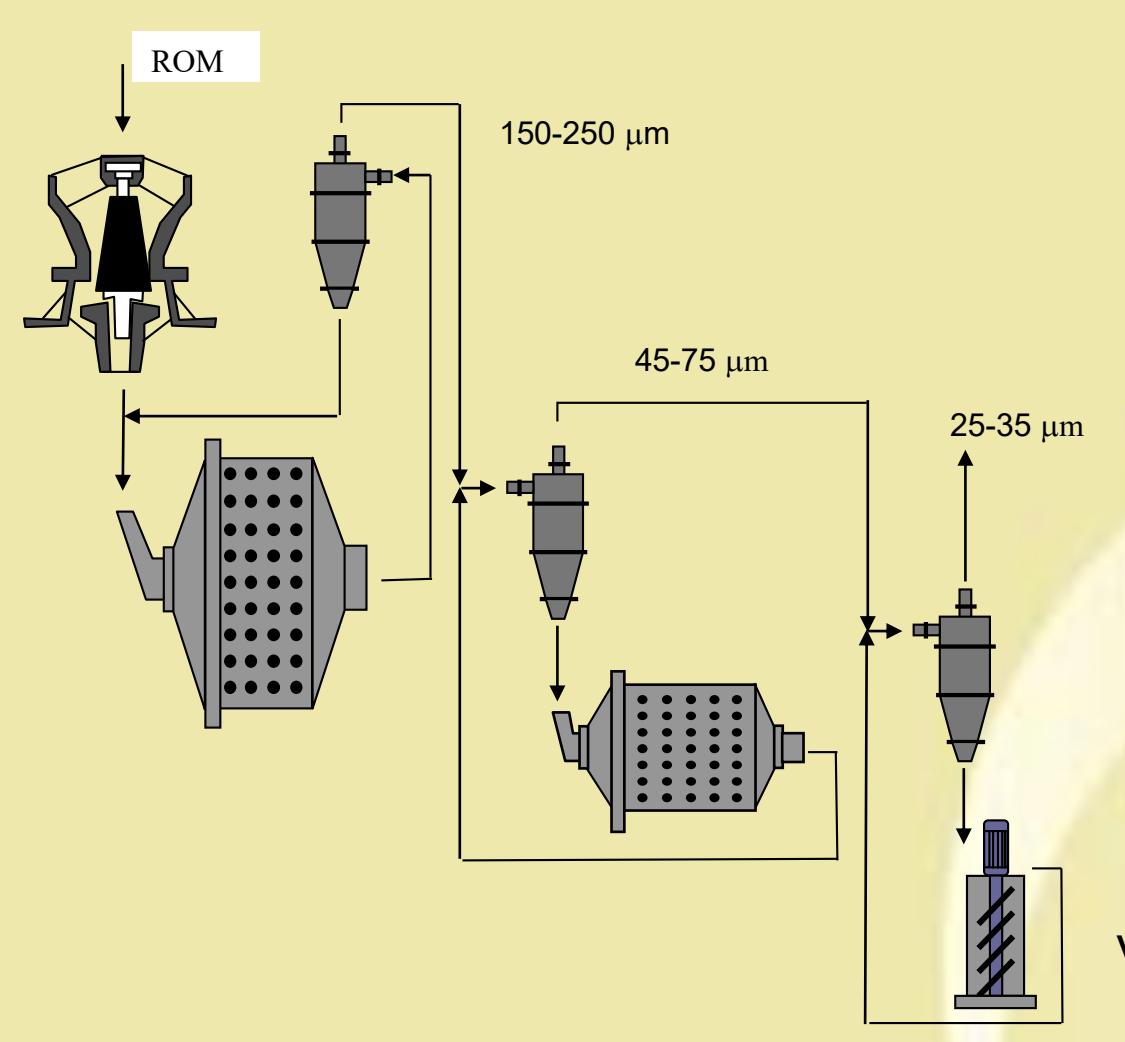
Fine grinding stage needed for some ores and/or where SAG/ball or HPGR/ball used as these generally find it hard to reach very fine grinds efficiently
Verti/tower mill
Fine grinding
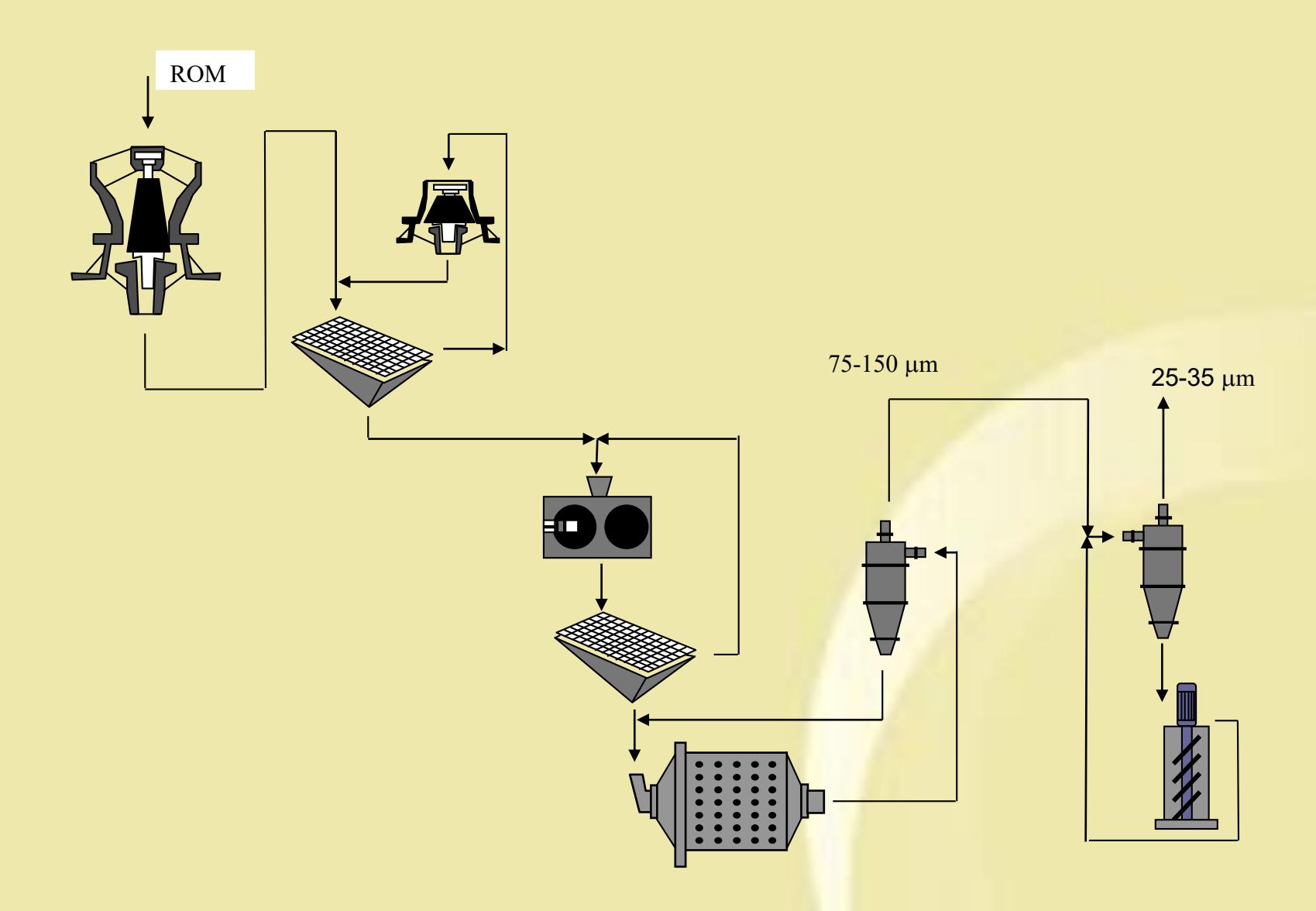
Fine grinding
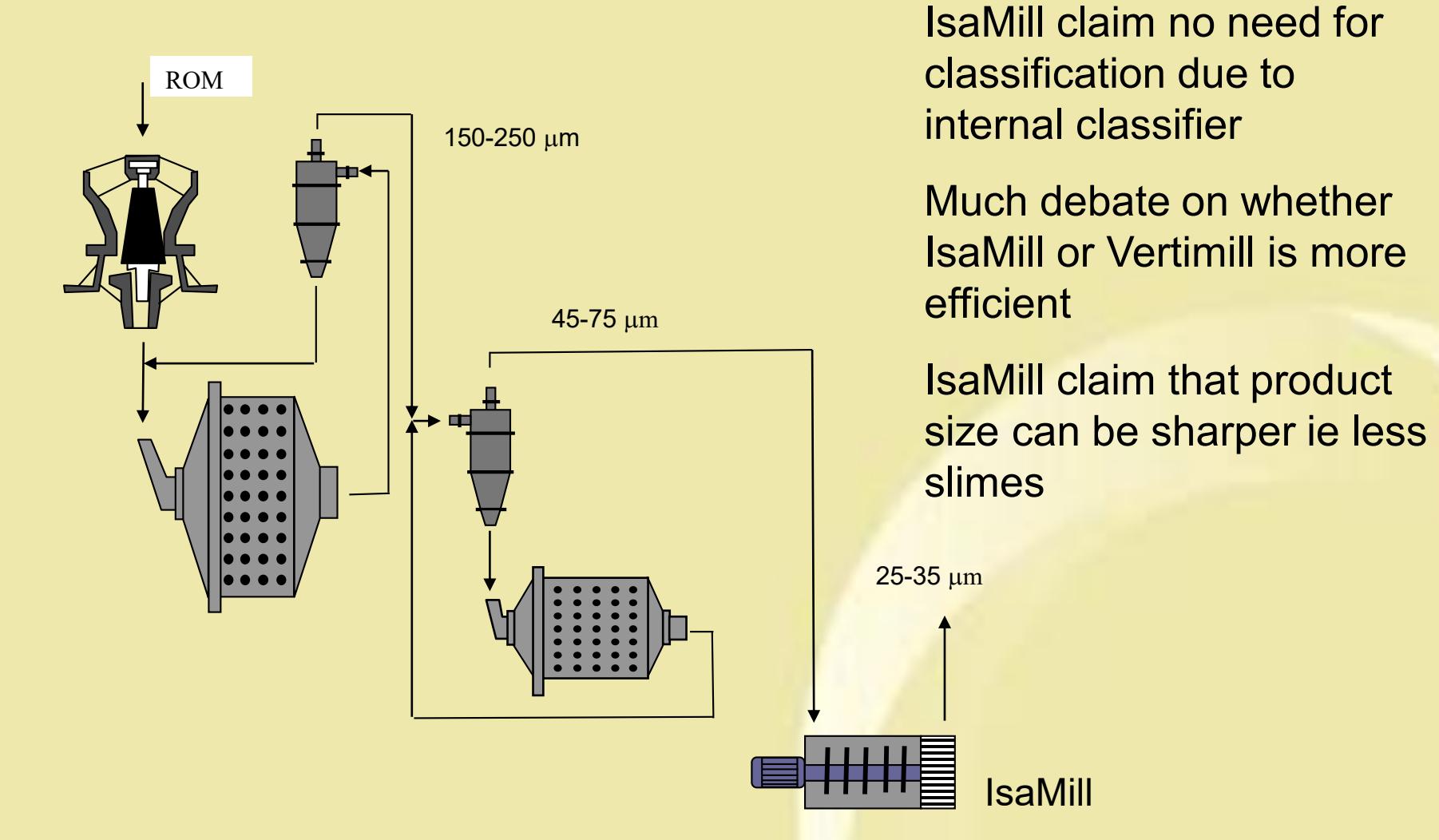
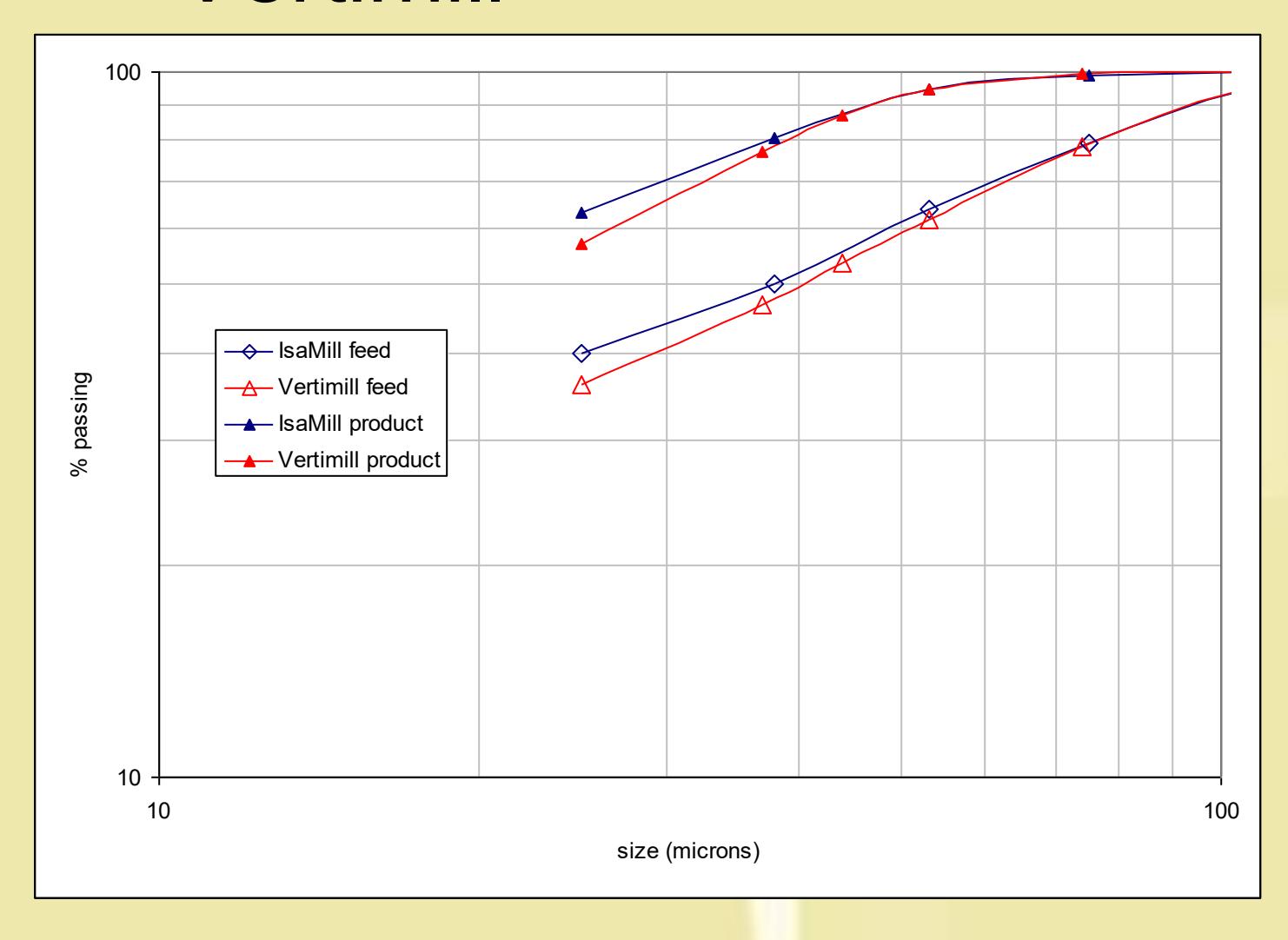
IsaMill vs Vertimill
Capex/Opex
| rock media | steel media | |
|---|---|---|
| $/t | $/t | |
| OPEX | ||
| Grinding media&liners | 0.5 | 1.8 |
| Power | 3.8 | 3.5 |
| Carbon tax | 0.7 | 0.6 |
| Other | 1.8 | 1.9 |
| Total | 6.8 | 7.8 |
| Index | 0.87 | 1.0 |
| CAPEX | ||
|---|---|---|
| Index | 1.1 | 1.0 |
Conclusions
- High grade crush, screen only
-
Low grade
- Needs concentration therefore need milling
- Finer grain size needs more stages
- Autogenous/pebble milling better for finer grinding and harder, uniform ores
- SAG/ball milling better for softer more variable ores and less fine grinding; Vertimill/IsaMill stage may be needed for finer grinding
- HPGR/ball good for harder more variable ores;Vertimill/IsaMill stage may be needed for finer grinding
- Often several circuits technically suitable for a given ore so Capex/Opex to decide
- Autogenous routes lower on OPEX and higher on CAPEX